

With the exception of garlic, September is the last month to plant annual edible crops In the Pacific Northwest. Plants need a minimum of 10 hours of daylight to grow and by the end of October the daylight hours have grown too short for crops to mature.
Read MoreKohlrabi for Fall

Kohlrabi is an often-ignored crop in home vegetable gardens, and we think that’s a shame. It’s easy to grow and surprisingly tasty. The roots are high in vitamin C, and the leafy greens are a great source of vitamin A, folate, and calcium.
Read MoreA Quick Note on Fall Spinach
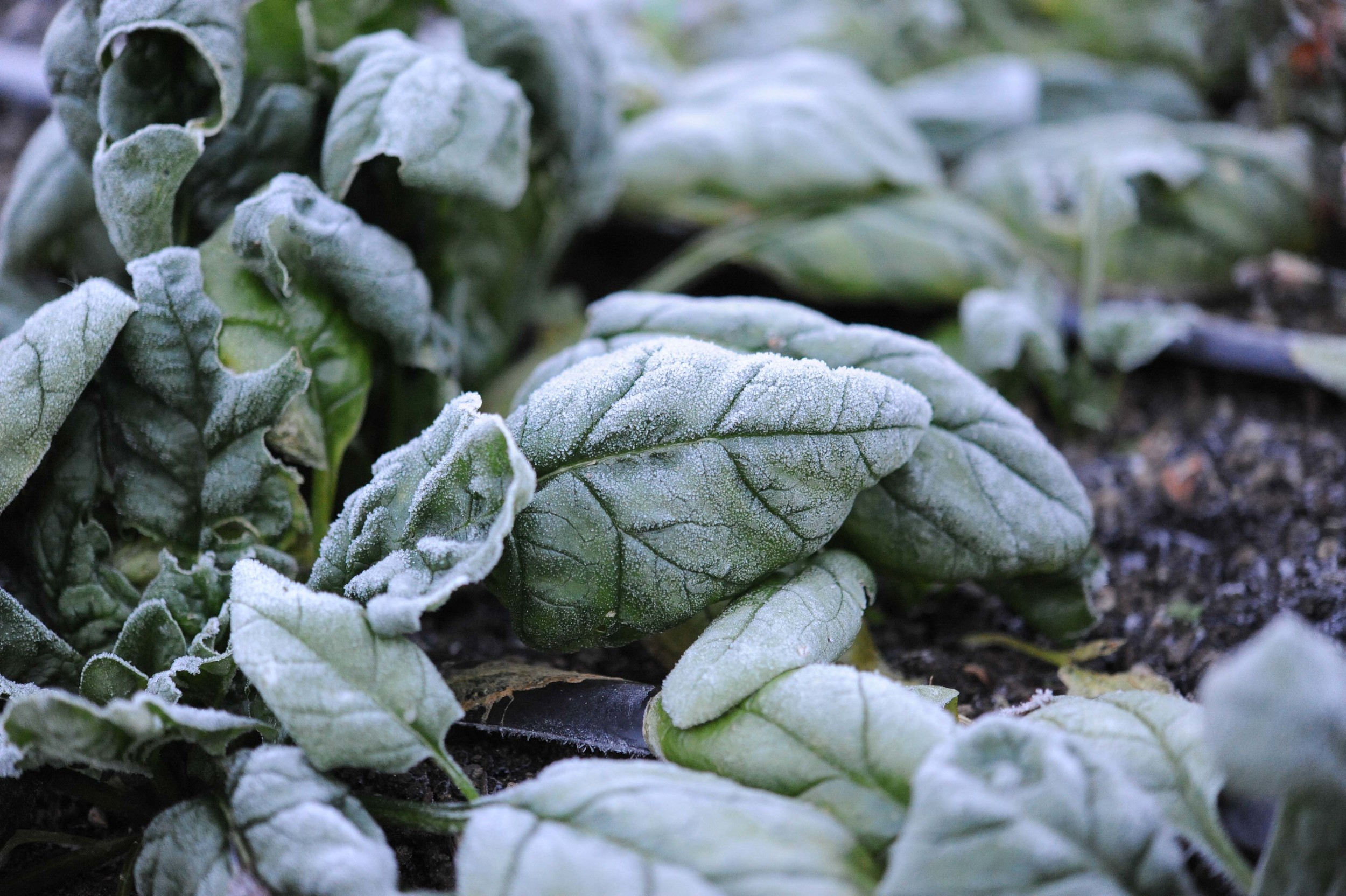
Overwintering this cold-hardy green is easy! For successful overwintering, it is important that you thin your spinach to decrease competition between plants and increase air circulation. Once your spinach has developed 3 sets of leaves, thin seedlings to 4-6” apart. If you end up pulling out lots of healthy looking seedlings and have more room in your garden, transplant them to increase your fall and early spring harvest! You can always pull them out when you need to make room for spring crops.
Harvesting Garlic Scapes

Eggplant Growing Tips and Recommended Varieties

Eggplants, Solanum melongena, are beautiful, colorful, unique, and among the most fun crops to grow. Rich in fiber, potassium, and manganese, the eggplant is a nightshade and is related to tomato, potato, and pepper and is considered a native of India. Eggplants come in a variety of colors, including purple, white, pink, and green and can range from 12 in long to only 1 or 2 in.
Read More4 Steps to Growing Great Bulb Fennel

Annual fennel, Foeniculum vulgare, also know as “bulb” fennel, is a versatile vegetables that makes a great addition to soups, salads, pizza’s and has even been know to make an appearance in desserts (Fennel cupcakes)! It’s high in vitamin C, and is also a good source of calcium, fiber and potassium.
Read More