Top
  • Home
  • Shop
  • About
  • Podcast & Blog
  • Our Books
  • Contact
  • Wholesale
Menu

Seattle Urban Farm Company - Garden trellises and supplies

Street Address
Seattle
206.816.9740
Grow a garden you love

Your Custom Text Here

Seattle Urban Farm Company - Garden trellises and supplies

  • Home
  • Shop
  • About
  • Podcast & Blog
  • Our Books
  • Contact
  • Wholesale

Spring Gardening with Kids!

March 18, 2020 hilary dahl
Potatoes make great crops to plant with kids because the seed is so large and they can see exactly where the plant is starting to grow!

Potatoes make great crops to plant with kids because the seed is so large and they can see exactly where the plant is starting to grow!

If you’re at home looking for a fun project with your kids, you might want to head out to the garden and plant spring crops. Many spring crops just happen to be some of the easiest for kids to plant  Peas, spinach, and fava beans all have large seeds that are easy to handle. Onions are usually grown from transplants or sets, and potatoes are grown from seed-potatoes (basically just pieces of a potato tuber).

Early spring gardening also invites other kid-friendly activities such as checking your soil’s pH, building simple trellises, weeding, and garden planning. We’ve laid out a few simple ideas to start with here, but this is just a jumping off point! Once you and your kiddos are out in the garden, you’re sure to find all sorts of fun projects (ladybug inventory?).

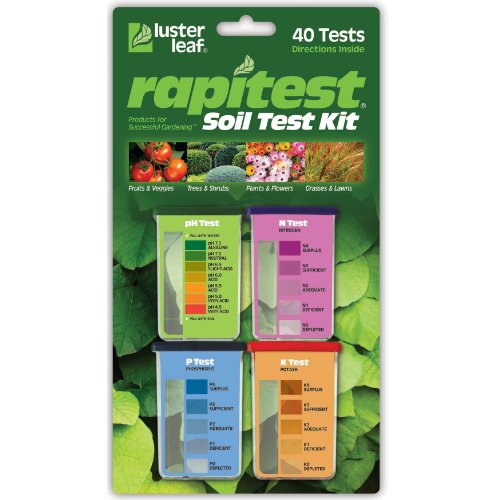
Checking your soil pH before planting in the spring is not only a good idea, but also a way to do a simple science experiment with your kids. We love the digital testers, but when working with kids, you want to use a manual Rapid Test Kit so they can see the colors change as the test reveals the results.

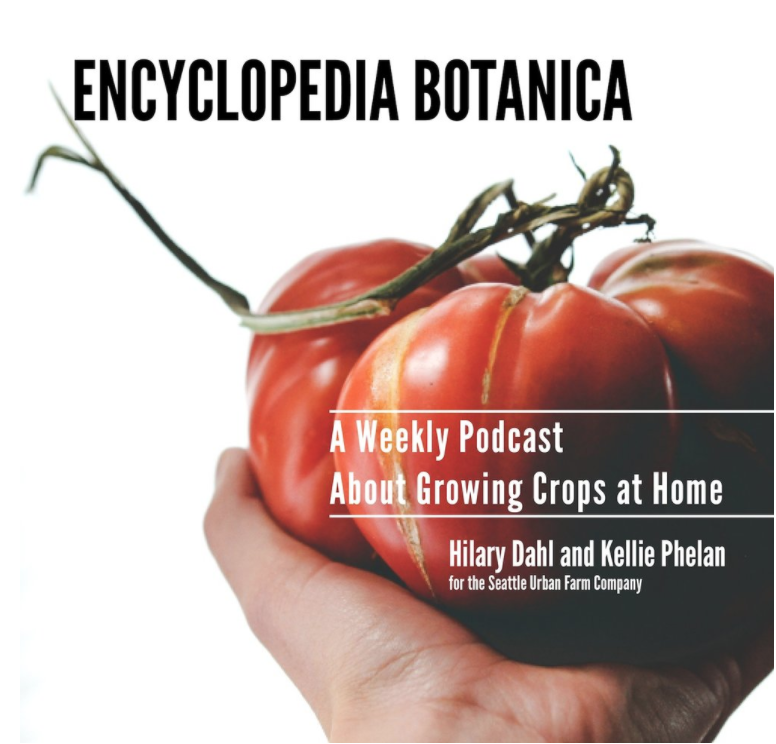
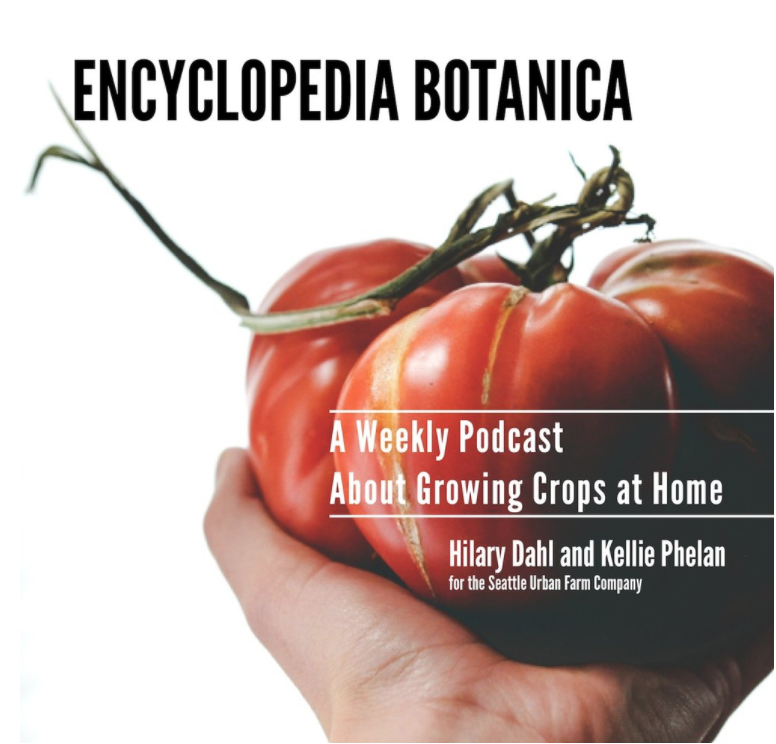
For more on vegetable garden soil pH: ENCYCLOPEDIA BOTANICA PODCAST, EPISODE 19: GARDEN SOIL PH

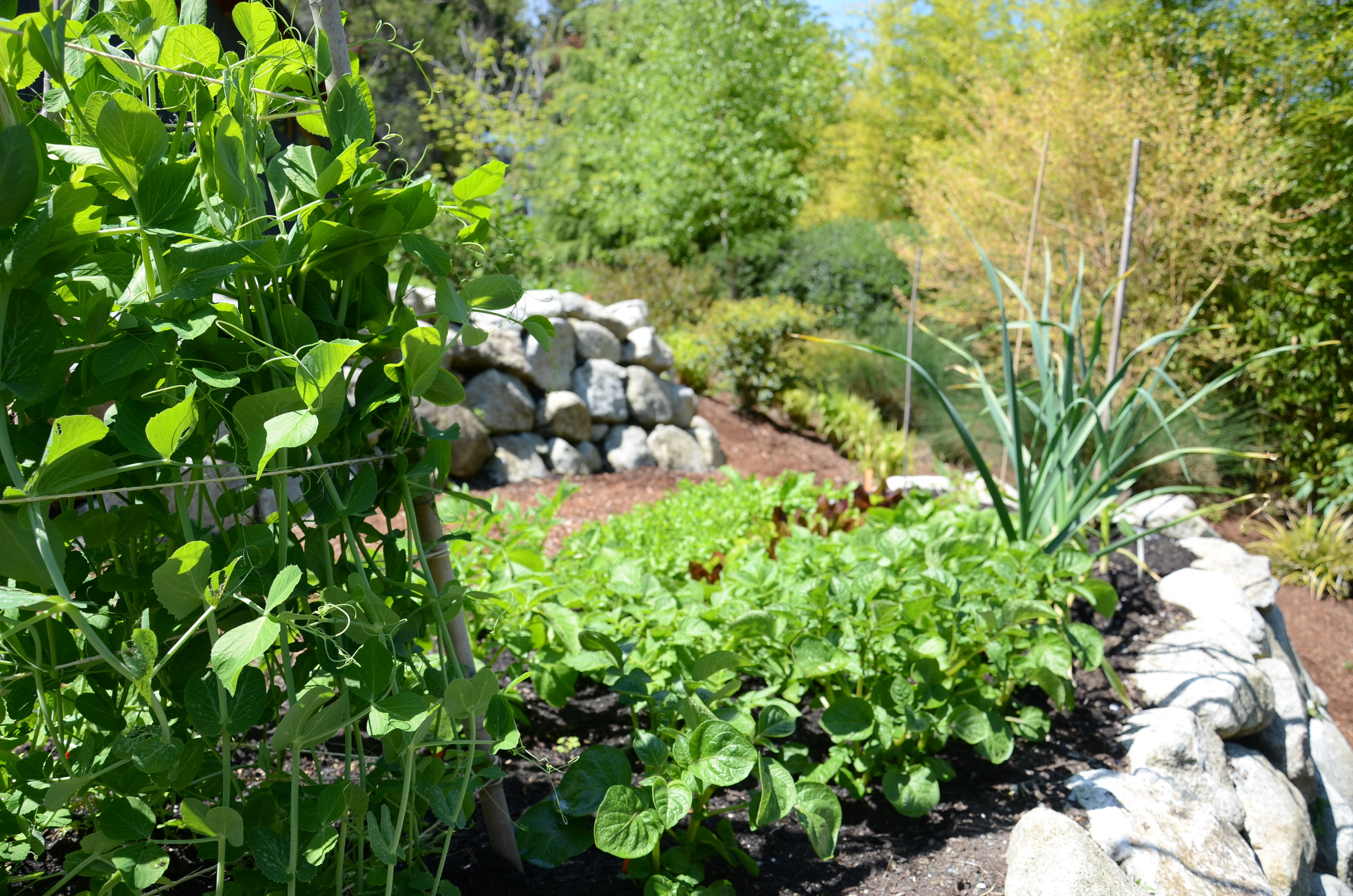
Peas:

Pea seed is the size of a pea (surprise!). Direct seeding peas in the ground is a very kid-friendly activity because the seed is so large and the spacing does not need to be perfect. 

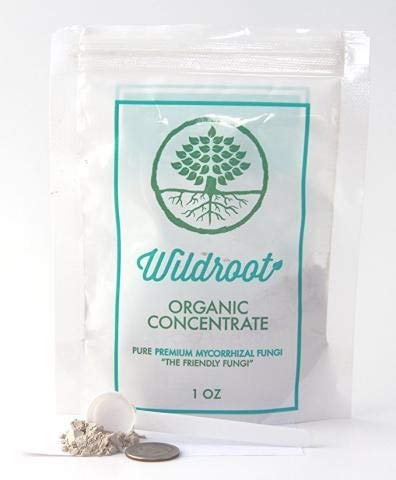
How to plant: Set up either a tipi or net trellis. Dig a 1-inch. deep trench along the trellis. Inoculate the seeds with a mycorrhizal fungi and sow in the trench at 2 seeds per inch. Thin to 1 plant every 2-inches. If you can find them at a nursery or grow them yourself, peas also grow well from transplants. Plant these at 1 plant every 2-inches.

When to plant: You can set out transplants as early as late February and as late as mid-May. Direct-seed peas mid-March through late April. They don’t germinate or grow well when temperatures get above 75°F, so it’s best to sow them early.

Bonus activity: If your kid is a little older, task them on building your tri-pod pea trellis. The trellis needs to withstand the weight of the peas for the season, but doesn’t need a perfectly executed feat of engineering, making it the perfect activity for an older kid. 

Potatoes:

When planting potatoes, you’re burying chunks of potato in the ground every 12-inches or so. Planting potatoes is a great activity for kids because the “seed” is so large and they can already see where the plant is going to (or may have already) start to sprout! Plus, in my limited experience (aka. about 150 visits to the park with my toddler this past year), I’ve noticed that many kids love to dig big holes in the dirt!

How to plant: Potatoes are almost always planted using pieces of the tubers themselves. You can order seed potatoes or buy them from a nursery, or buy organic potatoes from the grocery store. Leave small potatoes whole, or cut mid-sized potatoes in half and large ones into quarters. Aim to plant pieces about the size of golf balls, but make sure each chunk has at least 1 or 2 eyes on it. Dig 8-inch. deep holes spaced 1-foot. apart for each piece, and add 1⁄4 cup of balanced fertilizer to the hole and mix with a trowel. Place 1 piece of potato in each hole with the eye facing up, and fill the hole with half of the soil you removed (to a depth of 4-inches.). Cover with the remaining 4-inches once the vines have grown 6–8 inches out of the soil.

When to plant: Planting potatoes is a St. Patrick’s Day tradition (March 17), but they can be sown anytime from mid-March through mid-June.

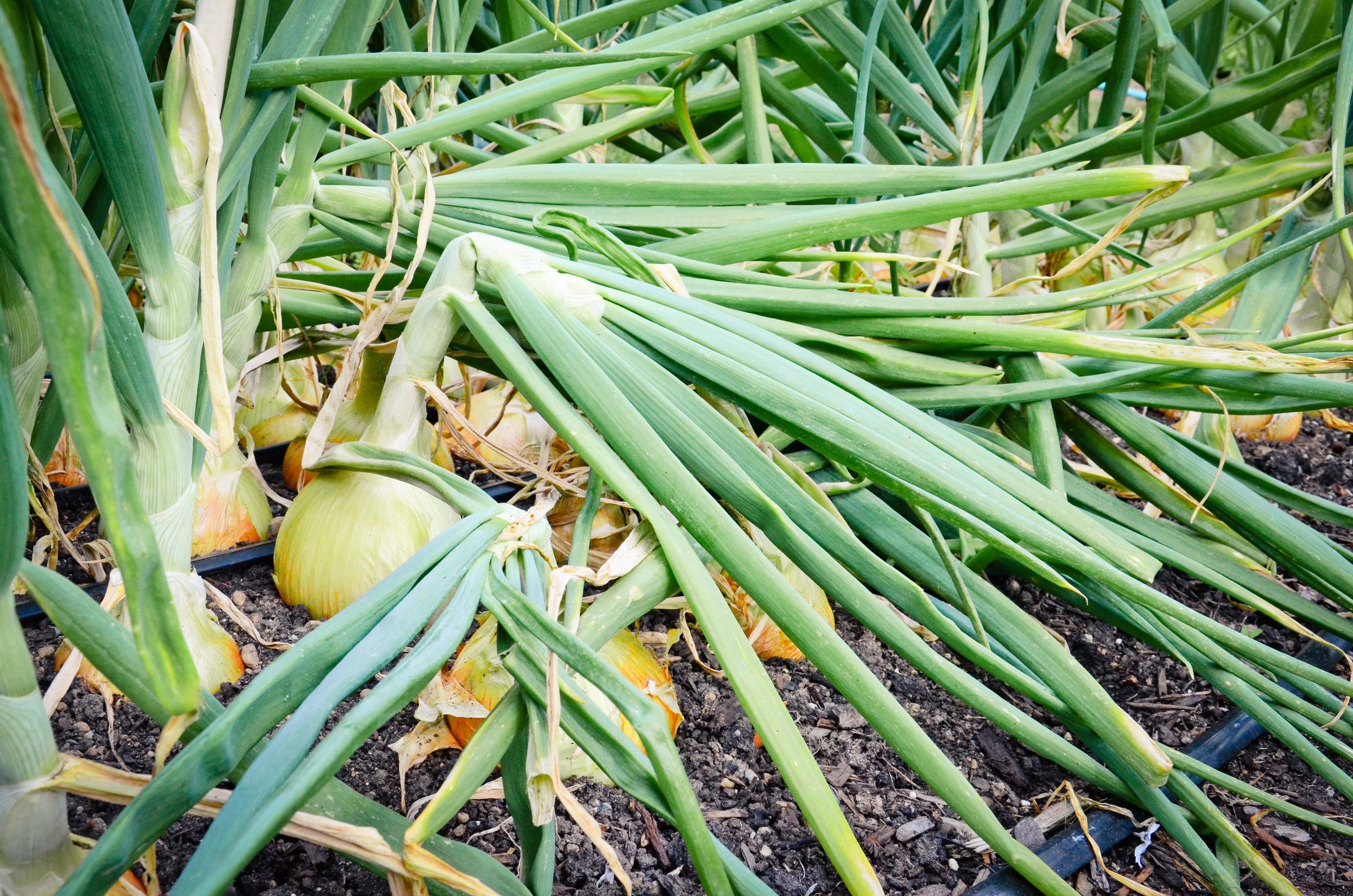
Bulbing onions:

Unlike most transplants, onions don’t mind a little abuse. They actually thrive when their roots and growing tips are trimmed (or accidentally broken off). 

If you choose to grow your onions from “sets”, then the planting process is even simpler! Sets are basically tiny, immature onions, so planting them is a lot like burying a seed the size of a marble. 

How to plant: If possible, plant your bulbing onions from transplants or “sets.” Sets are small, dried miniature onion bulbs that can be planted directly in the ground. The bulbs should be set in holes 6–9 inches deep, in well-prepared soil. Space bulbing onions 6-inches apart. Growing onions from seed is also possible, but in order to mature in time they must be started very early in the year.

When to plant: Onions started from seed should be sown indoors in early to mid-January. This is much earlier than other transplants, so to preserve your sanity we recommend buying these plants from a nursery for at least your first few years of gardening.

Spinach:

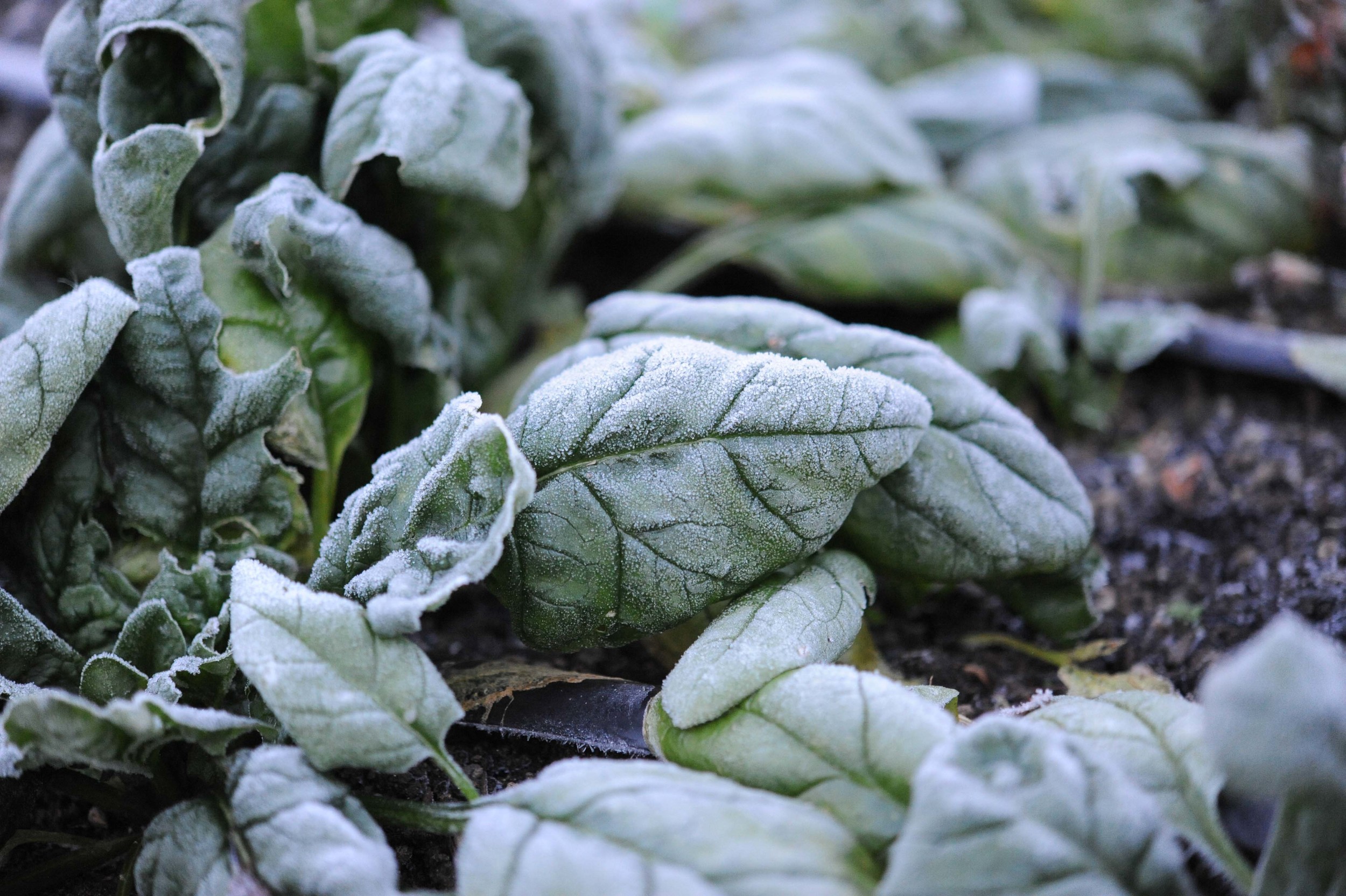
Spinach is yet another forgiving plant with large seeds. I prefer to direct-sow spinach in the spring. If your kiddo ends up sowing each seed 4-inches apart, you can end up growing larger plants for braising early this summer. If they sow 2-seeds per inch, you can harvest baby spinach in a month or so! It’s a win-win!

How to plant: Direct-seed or from transplants (but as noted, I prefer direct seeding in spring and with kids). Space plants every inch for baby leaves, or every 3–4 inches for large cooking leaves. 

When to plant: Direct-seed any time of year once the soil temperature is 45°F or higher. For a continual harvest, plan to seed short rows every week during the growing season. Once temperatures reach consistently above 75°, spinach seed may have a difficult time germinating


We designed our first book, Food Grown Right, In Your Backyard, with school gardens in mind, so if you’re looking for some homeschooling inspiration, check it out for discussion topics such as:

  • What is a vegetable? 

  • Which part of a plant do you eat? 

  • Why do plants produce flowers? 

And other fun activities like step by step instructions for how to make a worm bin or build your own raised beds!

More on the crops and topics discussed in this post:

Peas:
DSC_7854.jpg
How to Grow Peas Q +A

We often quote our book “Food Grown Right, In Your Backyard” and say that fresh snap peas are a reason unto themselves for having your own garden. I’ve never eaten a pea that has tasted as good as the ones I grow in my home garden and I want to you have the same experience. I’ve created this post to help answer your pea-growing questions and set you up for success!

Read more →
Episode 78: Veggie Garden Remix with Niki Jabbour

In this episode Hilary and guest expert Niki Jabbour discuss some of the unusual vegetable crops featured in Niki's new book, Veggie Garden Remix! If you're looking to add some variety to your garden this year or you've found yourself frustrated with some of the more traditional vegetable crops, this episode is packed with inspiration. 

Read more →
Episode 76: Sugar Snap Peas with Rod Lamborn

This week on the podcast I'm joined by guest expert, Rod Lamborn. Rod is the son of the well known plant breeder, Dr. Calvin Lamborn, who's also known as the Father of the Sugar Snap Pea. I'm sorry to say that Calvin passed away this past year, but it's an honor to have Rod here to share with us a little bit about his father's legacy and the future of the Sugar Snap Pea.

Read more →
Episode 52: July Listener Q+A

This past month we rounded the corner into summer so many of the questions we've been getting in our Slack group the past few weeks have been about pest and disease issues, harvesting, and pruning. This week we're going to disucss a question about leaf miners, a cauliflower harvesting dilmema, stunted greens beans and irregular sugar snap peas.

Read more →
Encyclopedia Botanica Podcast, Episode 31: Peas!

We think fresh homegrown peas are reason enough to have your own garden. This week we discuss how to plan for a grow peas in your garden

Read more →
powdery mildew_blog.jpg
Powdery Mildew

Powdery Mildew is caused by a fungus and, unlike many funguses; it can proliferate in hot dry conditions. It is recognizable by a white powdery growth of spores on leaf surface, followed by yellowing and dying of leaves.

Read more →
Bamboo Pea Tri-pod in Vegetable Garden_ Photo by Seattle Urban Farm Co.
How to Build a Bamboo Tri-pod Trellis: A Photo Tutorial

Many snap pea and snow pea varieties can easily grow to reach 7' tall so building a structure to support your pea vines is crucial. One of the most inexpensive, and easiest ways to create a tall semi-permanent trellising structure for your peas is with 8' bamboo poles (about $5 each at your local hardware store) and garden twine. The following photos show the process: 

Read more →
Powdery_Mildew_Squash.jpg
Organic Anti-Fungal Spray For Peas and Summer Squash

Anti-Fungal Baking Soda Spray

Read more →
Peas

Peas aren’t as good as turnips, but they are pretty good. Peas are the first crop that we plant outside in the spring

Read more →
Pea Tendril Heart_ Photo by Hilary Dahl for Seattle Urban Farm Co.
Train Your Peas!

Believe it or not pea plants do actually have a sense of touch.  This response to touch or contact with a solid object, called thigmotropism, is what causes pea tendrils to coil.  

Read more →
starting_pea_transplants.jpg
Peas: First Transplants of the Year

It can be easy to forget that the sweet crunchy peas we enjoy on warm summer days are actually a cool season crop.  This means they grow best at temperatures of 50 to 60ºF and should be planted early enough that they have a chance to mature before temperatures are consistently above 85ºF. 

Read more →
Potatoes:
Episode 74: Starting Onions from Seed with Colin McCrate
January 19, 2018
Episode 74: Starting Onions from Seed with Colin McCrate
January 19, 2018

Starting your own onion transplants from seed is inexpensive and allows you the most control when it comes to picking varieties that are well suited for your garden and culinary needs.

Read more →
January 19, 2018
Episode 55: Harvest and Store Your Onions and Garlic
July 28, 2017
Episode 55: Harvest and Store Your Onions and Garlic
July 28, 2017

Garlic and onions are some of the most satisfying crops you can grow in your home garden. Garlic is generally planted in the Fall, and onions are among the first transplants to be tucked into the early spring garden. These crops are both ready to harvest at the onset of peak harvest season, a harbinger of the forthcoming abundance. Luckily the crops are happy to be stored away for us to enjoy during less bounteous times of year. In this episode, we’re sharing some tips that will help you know when your crops are ready to harvest and how to store them.

Read more →
July 28, 2017
December 11, 2014
Starting Onions + Leeks from Seed
December 11, 2014

Onions and leeks are always the first transplants we seed each year at Seattle Urban Farm Co. (SUFCo). Bulbing onions and leeks have a long growing season, so getting them started early allows for them to grow to maturity in the optimal growing conditions of summer. They also cure better and store longer when harvested during dry weather conditions. Many people devote a large part of their gardens to alliums because they so store well and are very easy to use, so another advantage to a summer harvest is that it can also create room for fall crops! 

Read more →
December 11, 2014
onion floppy tops.jpg
March 15, 2013
How to Plant Onions
March 15, 2013

Onions, part of the Allium family, are a long-season crop, taking up to 8 months to mature from seed. We started our onion transplants two months ago, and they wont be ready to harvest until late-July or August.  If you haven’t already started onions from seed we highly recommended that you buy transplants from your local nursery.

Read more →
March 15, 2013
Storing Root Crops_Seattle Urban Farm Co.
November 8, 2012
Storing Root Vegetables
November 8, 2012

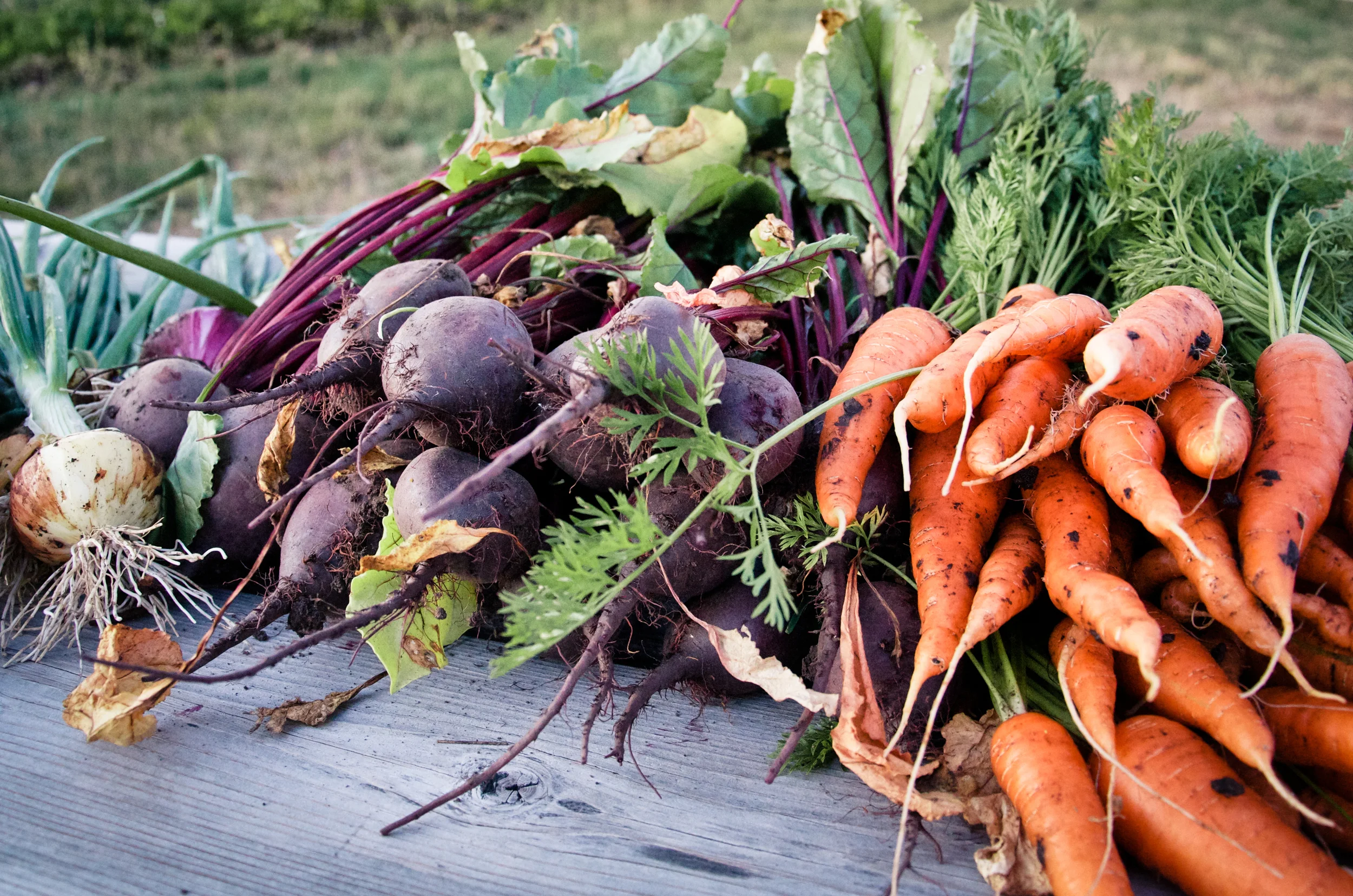
If properly managed, storage crops can last through the entire winter and even into the following spring, allowing you to eat from your garden even when you don't feel like going outside in the cold to pick salad greens.  Below are the very basic rules for storage of a few different common storage crops, check out our book for more in depth information...

Read more →
November 8, 2012
Leeks_Seattle Urban Farm Co.
January 15, 2009
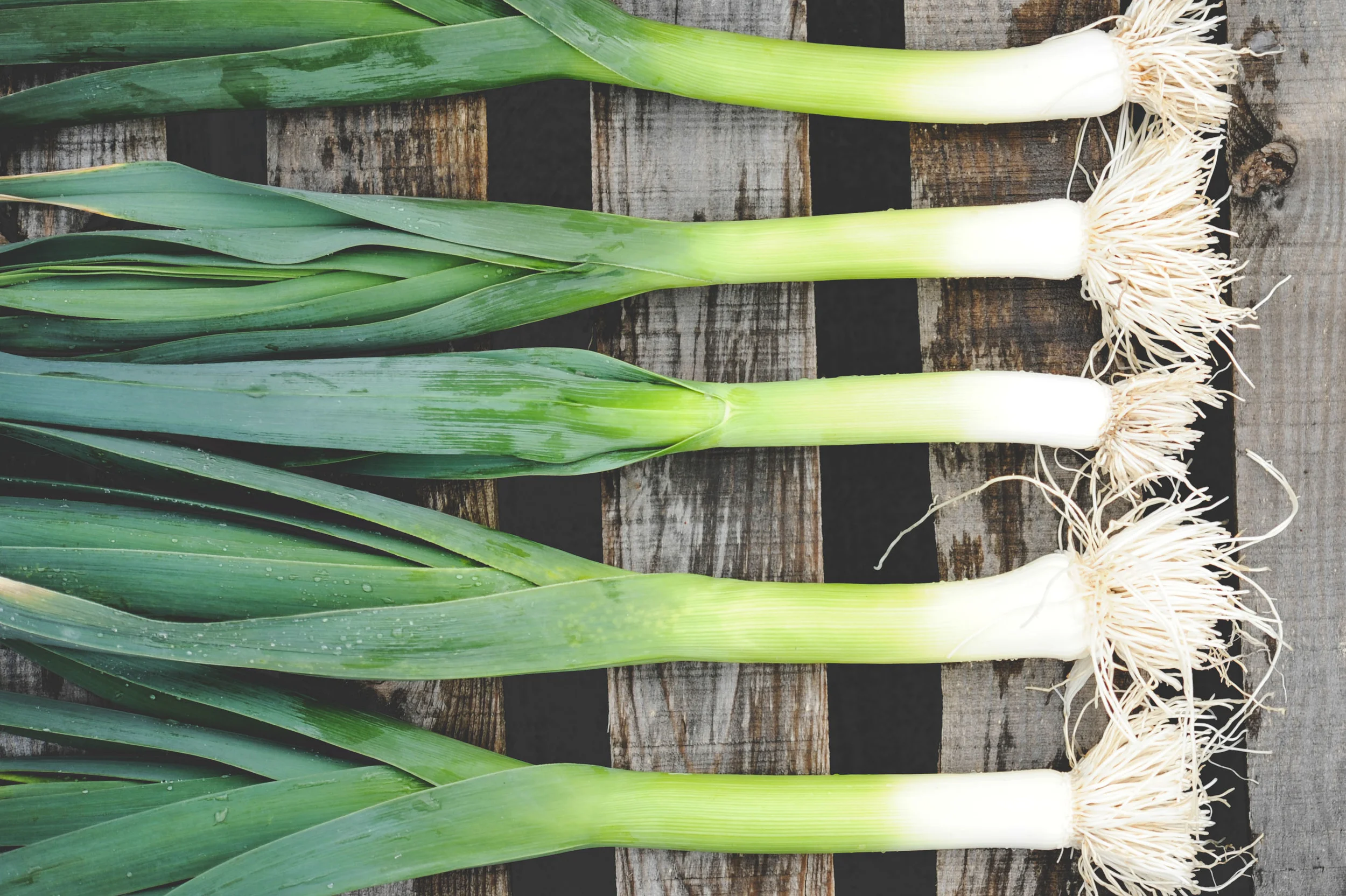
Onions & Leeks
January 15, 2009
Read more →
January 15, 2009
Bulbing onions:
Episode 74: Starting Onions from Seed with Colin McCrate
January 19, 2018
Episode 74: Starting Onions from Seed with Colin McCrate
January 19, 2018

Starting your own onion transplants from seed is inexpensive and allows you the most control when it comes to picking varieties that are well suited for your garden and culinary needs.

Read more →
January 19, 2018
Episode 55: Harvest and Store Your Onions and Garlic
July 28, 2017
Episode 55: Harvest and Store Your Onions and Garlic
July 28, 2017

Garlic and onions are some of the most satisfying crops you can grow in your home garden. Garlic is generally planted in the Fall, and onions are among the first transplants to be tucked into the early spring garden. These crops are both ready to harvest at the onset of peak harvest season, a harbinger of the forthcoming abundance. Luckily the crops are happy to be stored away for us to enjoy during less bounteous times of year. In this episode, we’re sharing some tips that will help you know when your crops are ready to harvest and how to store them.

Read more →
July 28, 2017
December 11, 2014
Starting Onions + Leeks from Seed
December 11, 2014

Onions and leeks are always the first transplants we seed each year at Seattle Urban Farm Co. (SUFCo). Bulbing onions and leeks have a long growing season, so getting them started early allows for them to grow to maturity in the optimal growing conditions of summer. They also cure better and store longer when harvested during dry weather conditions. Many people devote a large part of their gardens to alliums because they so store well and are very easy to use, so another advantage to a summer harvest is that it can also create room for fall crops! 

Read more →
December 11, 2014
onion floppy tops.jpg
March 15, 2013
How to Plant Onions
March 15, 2013

Onions, part of the Allium family, are a long-season crop, taking up to 8 months to mature from seed. We started our onion transplants two months ago, and they wont be ready to harvest until late-July or August.  If you haven’t already started onions from seed we highly recommended that you buy transplants from your local nursery.

Read more →
March 15, 2013
Storing Root Crops_Seattle Urban Farm Co.
November 8, 2012
Storing Root Vegetables
November 8, 2012

If properly managed, storage crops can last through the entire winter and even into the following spring, allowing you to eat from your garden even when you don't feel like going outside in the cold to pick salad greens.  Below are the very basic rules for storage of a few different common storage crops, check out our book for more in depth information...

Read more →
November 8, 2012
Leeks_Seattle Urban Farm Co.
January 15, 2009
Onions & Leeks
January 15, 2009
Read more →
January 15, 2009
Spinach
Episode 58: Spinach
August 18, 2017
Episode 58: Spinach
August 18, 2017

Spinach is an annual that grows to maturity in about 25-40 days. It is a hardy cool-season crop that does best at temperatures of 60 to 65ºF, but can withstand temperatures as low as 20ºF. That means that spinach thrives when planted early in the spring for a late spring harvest, and late in the summer for a fall harvest.

Read more →
August 18, 2017
A Quick Note On Fall Spinach
September 9, 2014
A Quick Note on Fall Spinach
September 9, 2014
Read more →
September 9, 2014
Lettuce.jpg
March 3, 2011
Spring Greens
March 3, 2011

Spinach is a annual that grows to maturity in about 40-50 days in the Pacific Northwest.   It is a hardy cool-season crop that does best at temperatures of 60 to 65ºF, but can withstand temperatures as low as 20ºF. 

Read more →
March 3, 2011

Wildroot Organic Mycorrhizal Fungi Concentrate (16 Species) Endo & Ecto Mycorrhizae Inoculant Powder for Explosive Plant Root Growth -1 Scoop (About 1/4 TSP.) Makes 1 Gal (Powder, 1 oz.)
Luster Leaf 1601 Rapitest Test Kit for Soil pH, Nitrogen, Phosphorous and Potash
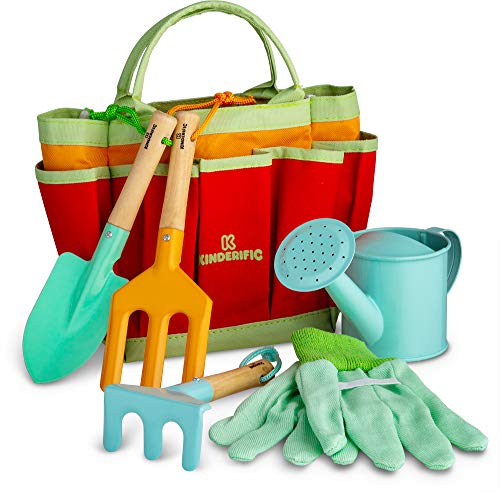
Kinderific Gardening Tool Set, Designed for Kids, STEM, Tote Bag, Spade, Watering Can, Rake, Fork, Trowel, Gloves
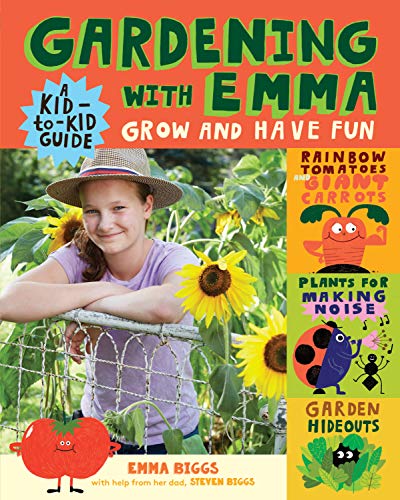
Gardening with Emma: Grow and Have Fun: A Kid-to-Kid Guide
Food Grown Right, In Your Backyard: A Beginner's Guide to Growing Crops at Home
← One Day DIY Project: Setting Up A Container GardenDrip Irrigation Q+A →
No results found
The Freyr garden trellis by Seattle Urban Farm Co
All Posts By Topic
  • Annual Vegetables 123
  • Podcast 86
  • Spring 36
  • Summer 26
  • Fall 25
  • Garden Planning 24
  • Garden Design 21
  • Harvesting 19
  • Seattle Urban Farm Co 18
  • Winter 18
  • Flowers 15
  • Soil Care 14
  • Crop Planning 11
  • Drip Irrigation 11
  • Freyr trellis 11
  • Organic Pest Control 11
  • Organic Fertilizer 8
  • Container gardening 7
  • Fruit Trees 7
  • The Urban Fringe Farm 7
  • raised beds 7
  • Herbs 6
  • Perennial Vegetables 6
  • Pollinators 5
  • Bees 4
  • Berries 4
  • Crop Storage 4
  • Microgreens 4
  • Farmers 3
  • Our Friends 3
  • Projects 3
  • Chickens 2
  • Seed Starting 2
  • 2025 events 1
  • Crop Diseases 1
  • In The Press 1
  • Question of the Month 1

Our Books:

By McCrate, Colin, Halm, Brad
Order the Freyr trellis today!

Follow Us on Instagram


Featured
DSC_9353.JPG
April 10, 2025
How to grow tomatoes
April 10, 2025

Tomatoes are an incredible crop and probably the most popular garden vegetable. The tomato originated in South America and eventually made its way into the cuisine of just about every culture on the planet.

Read more →
April 10, 2025
Harvesting-homegrown-zucchini-off-of-the-Freyr-vegetable-garden-trellis.jpg
October 30, 2023
Crops you'll love to grow on the Freyr trellis!
October 30, 2023

A surprising number of annual crops benefit from the support of a trellis. Because we love trellised crops and because we’ve been trialing a ton of varieties, we started carrying a selection of Renee’s Garden seeds in our shop! Here is a short list of some of our favorite crops and varieties to grow vertically in the garden and links to our store where you can find our favorite types:

Read more →
October 30, 2023
Drip Irrigation How-To, Part 2
October 6, 2023
Drip Irrigation How-To, Part 2
October 6, 2023

Welcome to our new YouTube series! Learn how to pick a garden site, build vegetable garden beds and install drip irrigation.

Read more →
October 6, 2023

Shop | Contact | Trellis Guide | About | Our Books | Podcast | Wholesale | Subscribe

seattle urban farm company
Address: 4511 Shilshole Ave NW, Seattle, WA 98107
contact: info@seattleurbanfarmco.com

Featured in

Screen Shot 2019-04-11 at 2.13.41 PM.png
Screen Shot 2019-04-11 at 2.13.56 PM.png
Screen Shot 2019-04-11 at 2.14.09 PM.png
Screen Shot 2019-04-11 at 2.18.29 PM.png
Screen Shot 2019-04-11 at 2.20.19 PM.png

© Copyright 2024 – Seattle Urban Farm Company. All Rights Reserved.