Top
  • Home
  • Shop
  • About
  • Podcast & Blog
  • Our Books
  • Contact
  • Wholesale
Menu

Seattle Urban Farm Company - Garden trellises and supplies

Street Address
Seattle
206.816.9740
Grow a garden you love

Your Custom Text Here

Seattle Urban Farm Company - Garden trellises and supplies

  • Home
  • Shop
  • About
  • Podcast & Blog
  • Our Books
  • Contact
  • Wholesale

Organic Fertilizer Breakdown Part One: Blood Meal

April 7, 2015 hilary dahl
Organic Fertilizer Breakdown Part One_Blood Meal_By Seattle Urban Farm Co.

Welcome to our 4-part series on organic fertilizer!  Over the course of this series we will break down the 4 ingredients in our custom organic fertilizer blend: blood meal, bone meal, greensand, and kelp meal.  Each post will highlight one of the 4 ingredients how it benefits your vegetable garden. 

There are a few key steps to growing great vegetables, and fertilizer is just one of them, but it is an important one and is often overlooked.  Fertilizer is particularly important when growing vegetables in urban or suburban settings, where the soil may not be as rich as soils in a flood plain or other undeveloped area with naturally deep topsoil.

All fertilizers are rated by their NPK ratio.  This number is typically shown prominently on the label and often looks like this: 4-5-6.  The numbers indicate the percentage of Nitrogen-Phosphorous-Potassium in the fertilizer.  In addition to these “macronutrients”, your plants need a range of other “micronutrients” which should be present in an organic fertilizer, but these micronutrients are not always clearly indicated on the fertilizer label. 

Lets begin our exploration of fertilizer ingredients with that first nutrient, N

Part One: Blood Meal

Blood Meal provides the primary nitrogen component of our fertilizer mix. Other commonly used forms of organic nitrogen are feather meal, alfalfa meal and cottonseed meal. We prefer Blood Meal simply because we find it provides the best results.

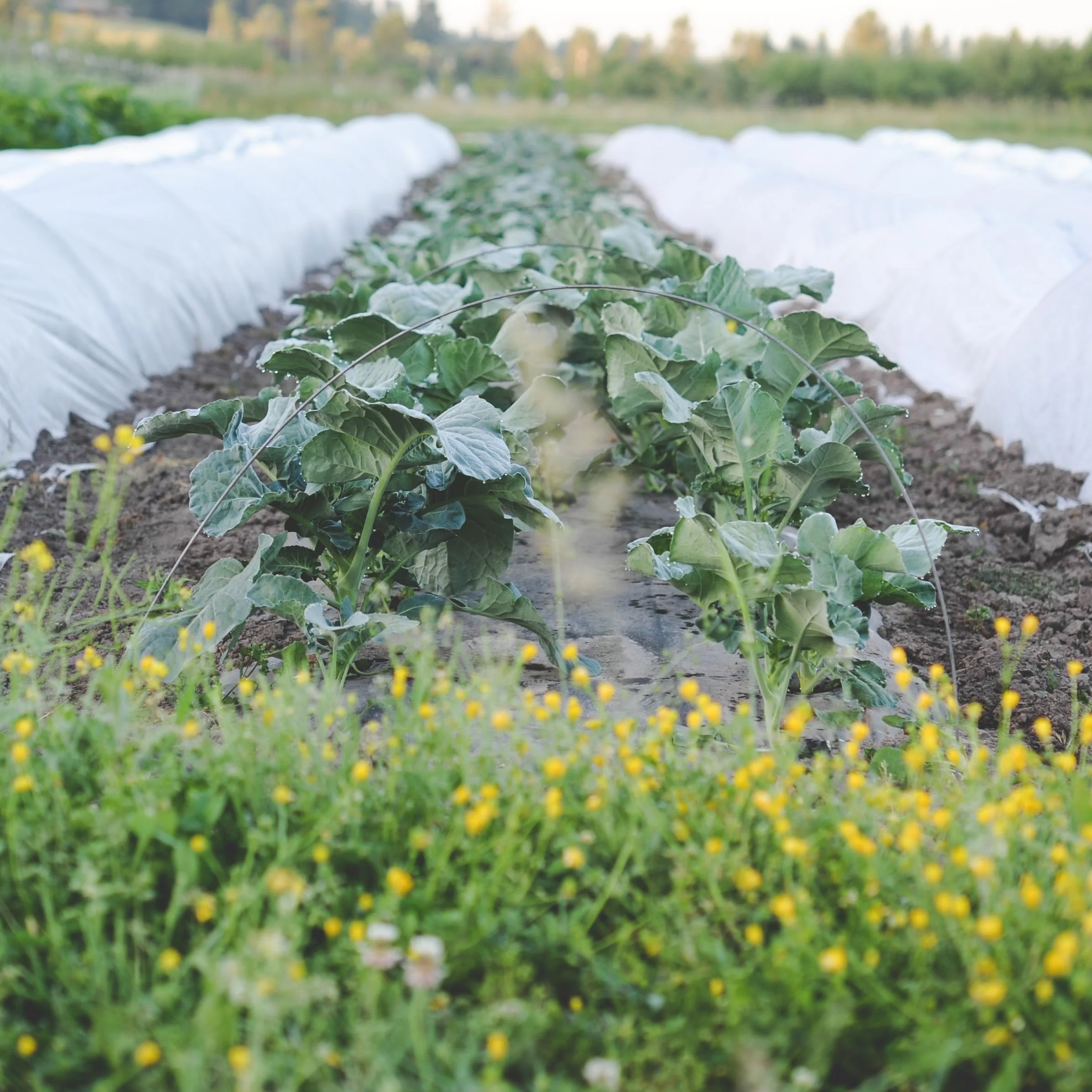
We use Blood Meal as a fertilizer in two different applications: as a part of our primary all-purpose fertilizer mix and as a stand-alone nitrogen supplement.  For most garden situations, the all-purpose mix is adequate, but we use the Blood Meal as an additional feed for Brassica crops (broccoli, cauliflower, kale, Brussels sprouts, cabbage), as a spring feeding for alliums (garlic and onions) and in soils that are seriously depleted of nitrogen.  

Nitrogen is the plant macronutrient most likely to be depleted in your garden soil.  Nitrogen comes from many sources, including the air, animal manure, compost and decaying plant residue.  However, to be absorbed by your vegetable plants, Nitrogen must be converted into either ammonium (NH4+-N) or nitrate (NO3--N).  The chemical form of Nitrogen is always shifting in your soil in a complex process known as the Nitrogen Cycle (read this article for more on the chemistry of soil Nitrogen), the important thing to know as an organic vegetable gardener is that Nitrogen in your soil is often lost due to leaching, denitrification and other natural processes.  Therefore, to keep Nitrogen levels adequate in the garden, it is essential to add supplemental forms each season.  

Nitrogen is the nutrient that is most responsible for the vegetative growth of a plant.  This means that nitrogen is especially important for plants early in their development, as they develop the vegetative structure that will supply your harvest later on in the season.  

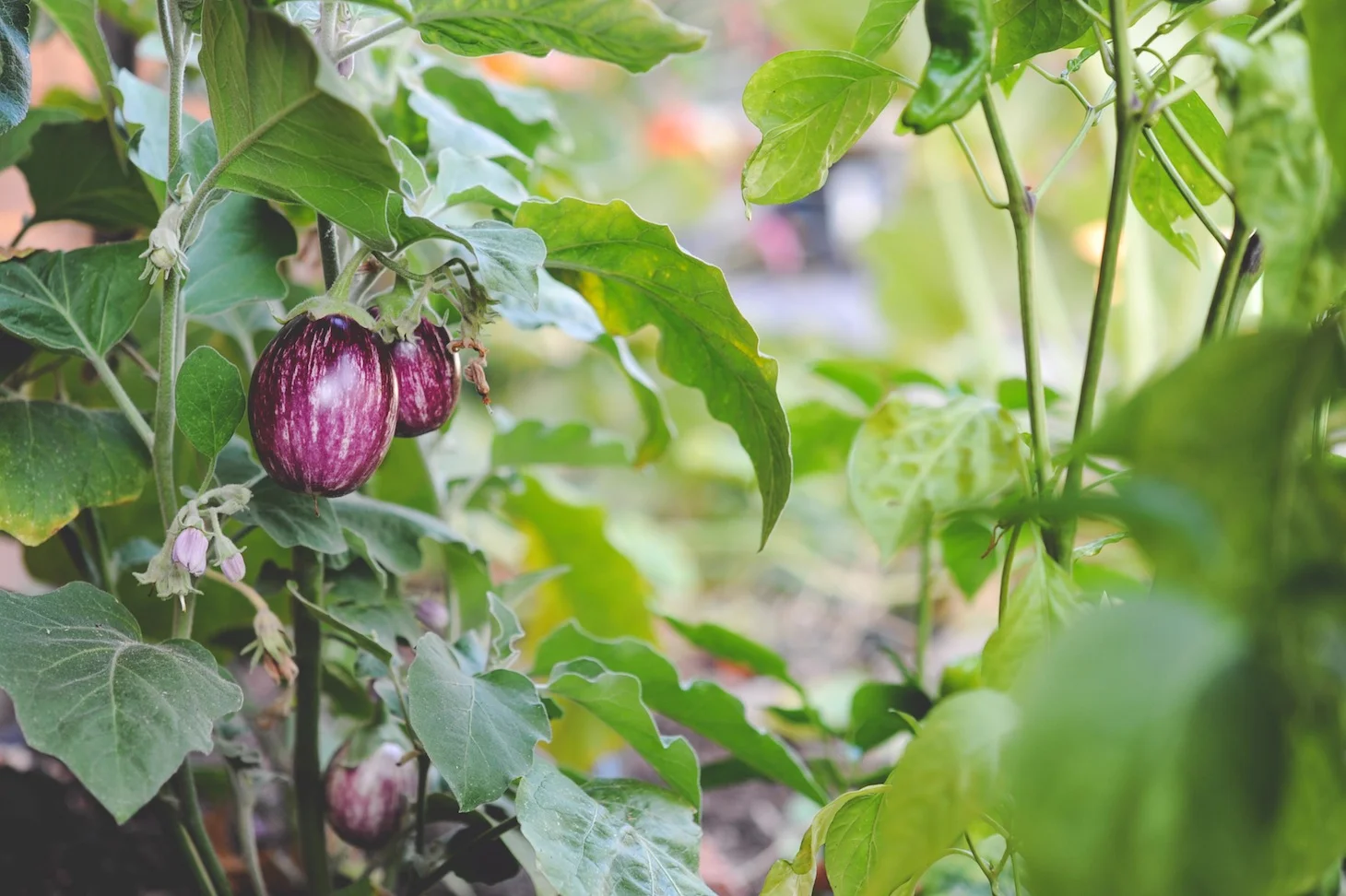
Generally speaking, the larger and healthier your plant is, the more harvest it can produce. When planting fruiting crops such as tomatoes and peppers, it is essential to encourage lots of bushy growth on the plant before it starts to produce fruit. We’ve all seen the sad-looking bell pepper plant that is about 6 inches tall, has 4 leaves and puts on exactly one tiny pepper. This growth habit is an indication that the plant did not receive adequate nitrogen and has simply made due with the nutrients available.  You can certainly commend the tenacity of this pepper, but as a gardener interested in voluminous harvests, it’d be better to encourage large, healthy plants that are able to produce many, many pepper fruits.

Blood meal is a pure source of nitrogen (13-0-0).  It is a dry powder derived from cow’s blood which has been steamed or boiled to kill pathogens and remove impurities.  It will supply crops with an immediate boost and continue to release useable N over the course of several weeks or months (depending on weather and soil conditions).   We recommend using it as part of a balanced fertilizer blend and as a single ingredient application when appropriate.  Rough guidelines are as follows:

  1. Apply ¼ Cup of blood meal to brassica plants at planting time

  2. Apply 1 Cup of blood meal per 5’ row of alliums in spring.

  3. Use a balanced fertilizer including blood meal when planting new vegetable crops each season. Application rates for fertilizers vary, follow the recommendations on the product label.

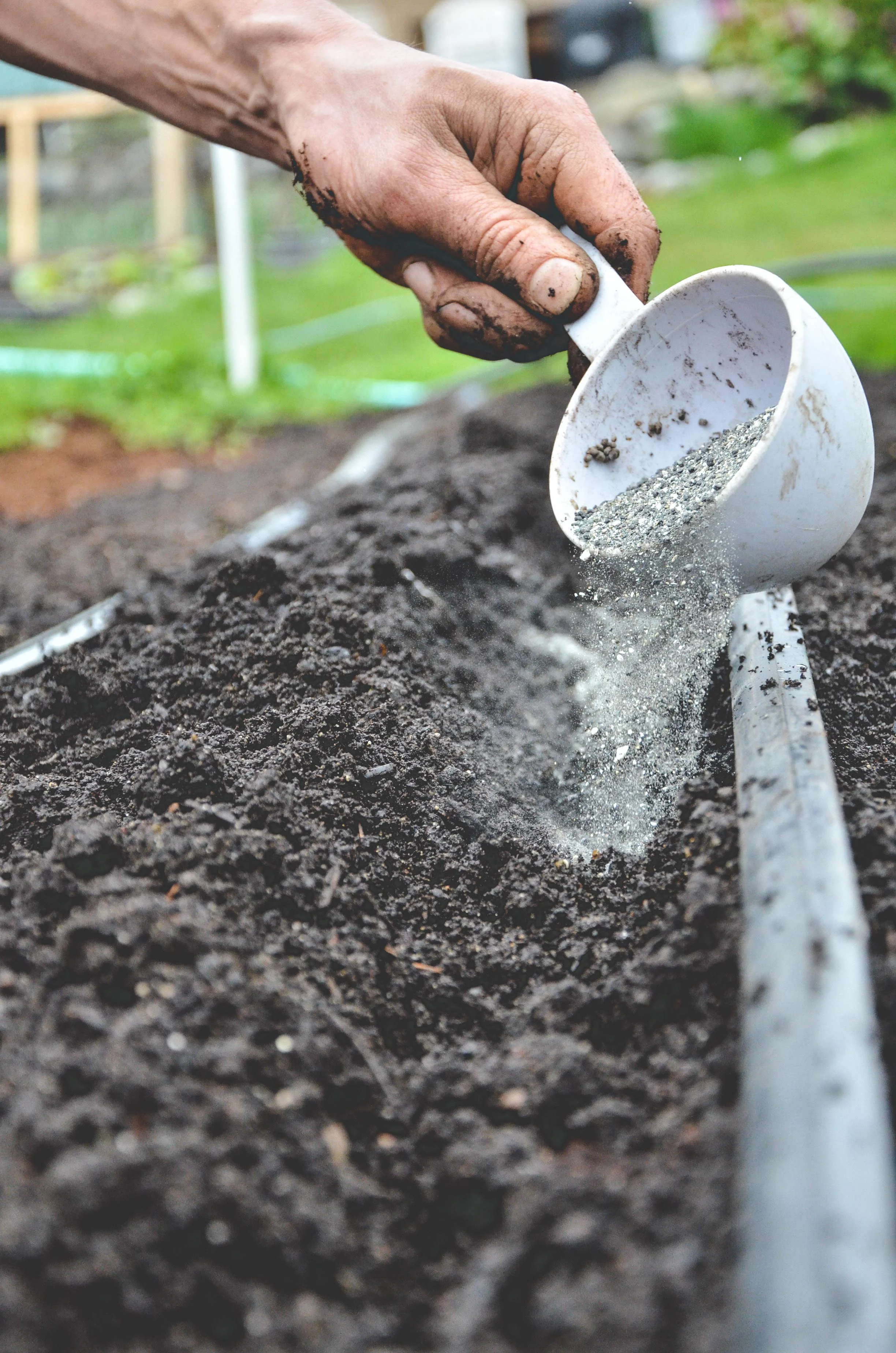
Mixing Fertilizer In a Hole Before Planting

Mixing Fertilizer In a Hole Before Planting

Nutrient Deficient Kale

Nutrient Deficient Kale


More on Organic Fertilizer:
Episode 62: Vegan Fertilizer

Organic fertilizer is a key component of any vegetable garden, and today we are going to explore a specialized recipe for an organic fertilizer that is totally vegan.

Read more →
Encyclopedia Botanica Podcast, Episode 34: Phosphorus and Potassium

Welcome to part 2 of our 2-part series on organic fertilizer! In the first part of the series, we talked about Nitrogen as an essential nutrient for healthy plant growth. This week we're talking about Phosphorus and Potassium.

Read more →
Encyclopedia Botanica Podcast, Episode 33: Nitrogen

Over the next two episodes we will break down NPK, the acronym used to classify plant fertilizers. NPK stands for nitrogen, phosphorus and potassium. The letters used to represent each of these 3 nutrients are their symbols on the periodic table of elements. This week we will focus on Nitrogen, and next week we'll talk in depth about Phosphorus and Potassium. So, welcome to our 2-part series on organic fertilizer!

Read more →
Lessons from the Farm: Making Friends With Your Weeds

Weeds can be a good thing. It's seems a little counter intuitive as a gardener/farmer to say, but in a lot of ways they really are. Over the past year I started working on our certified organic Urban Fringe Farm in Woodinville. I thought it would be interesting to bring the farm experience back to the backyard by sharing some of what I've learned. The weeds on our farm have been nothing short of challenging to tame, but as I began to study the enemy, I started to realize they are just the opposite of an enemy. 

Read more →
Curbing Blossom End Rot

Blossom end rot can be an incredibly frustrating challenge for any vegetable gardener.  There is something particularly upsetting about watching a perfectly healthy-looking plant produce damaged and rotten fruits!  Fortunately, blossom end rot can be avoided and, once in process can often be overcome. 

Read more →
Seattle Urban Farm Co_Greensand Fertilizer
Organic Fertilizer Break Down Part Three: Greensand

The next stop on our path towards total fertilizer enlightenment is the wonderful world of Greensand.  As we learned in part one of our series, all fertilizers are rated by their NPK ratio, which indicates the percentage of Nitrogen-Phosphorous-Potassium in the product. Greensand (0-0-3) is a great source of Potassium and works as a component of a fertilizer mix and as a stand-alone soil amendment.  

Read more →
Organic Fertilizer Breakdown Part Two: Kelp

Welcome back to our 4-part series on organic fertilizer. In part two, we will continue to break down the ingredients in our custom organic fertilizer blend. This month we will be highlighting Kelp Meal.

Read more →
Organic Fertilizer Breakdown Part One_Blood Meal_By Seattle Urban Farm Co.
Organic Fertilizer Breakdown Part One: Blood Meal

Welcome to our 4-part series on organic fertilizer!  Over the course of this series we will break down the 4 ingredients in our custom organic fertilizer blend.  Each post will highlight one of the 4 ingredients how it benefits your vegetable garden. 

Read more →
Summary Block
This block has no content yet. Items you add to the page connected to this block will display here.
Shop our Educational Webinars
In Annual Vegetables, Soil Care, Organic Fertilizer Tags Organic Fertilizer, Blood Meal, Nitrogen, NPK, organic fertilizer breakdown
← Urban Fringe Farm Plant Winter Squash In The Spring →
No results found
The Freyr garden trellis by Seattle Urban Farm Co
All Posts By Topic
  • Annual Vegetables 123
  • Podcast 86
  • Spring 36
  • Summer 26
  • Fall 25
  • Garden Planning 24
  • Garden Design 21
  • Harvesting 19
  • Seattle Urban Farm Co 18
  • Winter 18
  • Flowers 15
  • Soil Care 14
  • Crop Planning 11
  • Drip Irrigation 11
  • Freyr trellis 11
  • Organic Pest Control 11
  • Organic Fertilizer 8
  • Container gardening 7
  • Fruit Trees 7
  • The Urban Fringe Farm 7
  • raised beds 7
  • Herbs 6
  • Perennial Vegetables 6
  • Pollinators 5
  • Bees 4
  • Berries 4
  • Crop Storage 4
  • Microgreens 4
  • Farmers 3
  • Our Friends 3
  • Projects 3
  • Chickens 2
  • Seed Starting 2
  • 2025 events 1
  • Crop Diseases 1
  • In The Press 1
  • Question of the Month 1

Our Books:

By McCrate, Colin, Halm, Brad
Order the Freyr trellis today!

Follow Us on Instagram


Featured
DSC_9353.JPG
April 10, 2025
How to grow tomatoes
April 10, 2025

Tomatoes are an incredible crop and probably the most popular garden vegetable. The tomato originated in South America and eventually made its way into the cuisine of just about every culture on the planet.

Read more →
April 10, 2025
Harvesting-homegrown-zucchini-off-of-the-Freyr-vegetable-garden-trellis.jpg
October 30, 2023
Crops you'll love to grow on the Freyr trellis!
October 30, 2023

A surprising number of annual crops benefit from the support of a trellis. Because we love trellised crops and because we’ve been trialing a ton of varieties, we started carrying a selection of Renee’s Garden seeds in our shop! Here is a short list of some of our favorite crops and varieties to grow vertically in the garden and links to our store where you can find our favorite types:

Read more →
October 30, 2023
Drip Irrigation How-To, Part 2
October 6, 2023
Drip Irrigation How-To, Part 2
October 6, 2023

Welcome to our new YouTube series! Learn how to pick a garden site, build vegetable garden beds and install drip irrigation.

Read more →
October 6, 2023

Shop | Contact | Trellis Guide | About | Our Books | Podcast | Wholesale | Subscribe

seattle urban farm company
Address: 4511 Shilshole Ave NW, Seattle, WA 98107
contact: info@seattleurbanfarmco.com

Featured in

Screen Shot 2019-04-11 at 2.13.41 PM.png
Screen Shot 2019-04-11 at 2.13.56 PM.png
Screen Shot 2019-04-11 at 2.14.09 PM.png
Screen Shot 2019-04-11 at 2.18.29 PM.png
Screen Shot 2019-04-11 at 2.20.19 PM.png

© Copyright 2024 – Seattle Urban Farm Company. All Rights Reserved.