Top
  • Home
  • Shop
  • About
  • Podcast & Blog
  • Our Books
  • Contact
  • Wholesale
Menu

Seattle Urban Farm Company - Garden trellises and supplies

Street Address
Seattle
206.816.9740
Grow a garden you love

Your Custom Text Here

Seattle Urban Farm Company - Garden trellises and supplies

  • Home
  • Shop
  • About
  • Podcast & Blog
  • Our Books
  • Contact
  • Wholesale

Encyclopedia Botanica Podcast, Episode 19: Garden Soil pH

October 28, 2016 hilary dahl
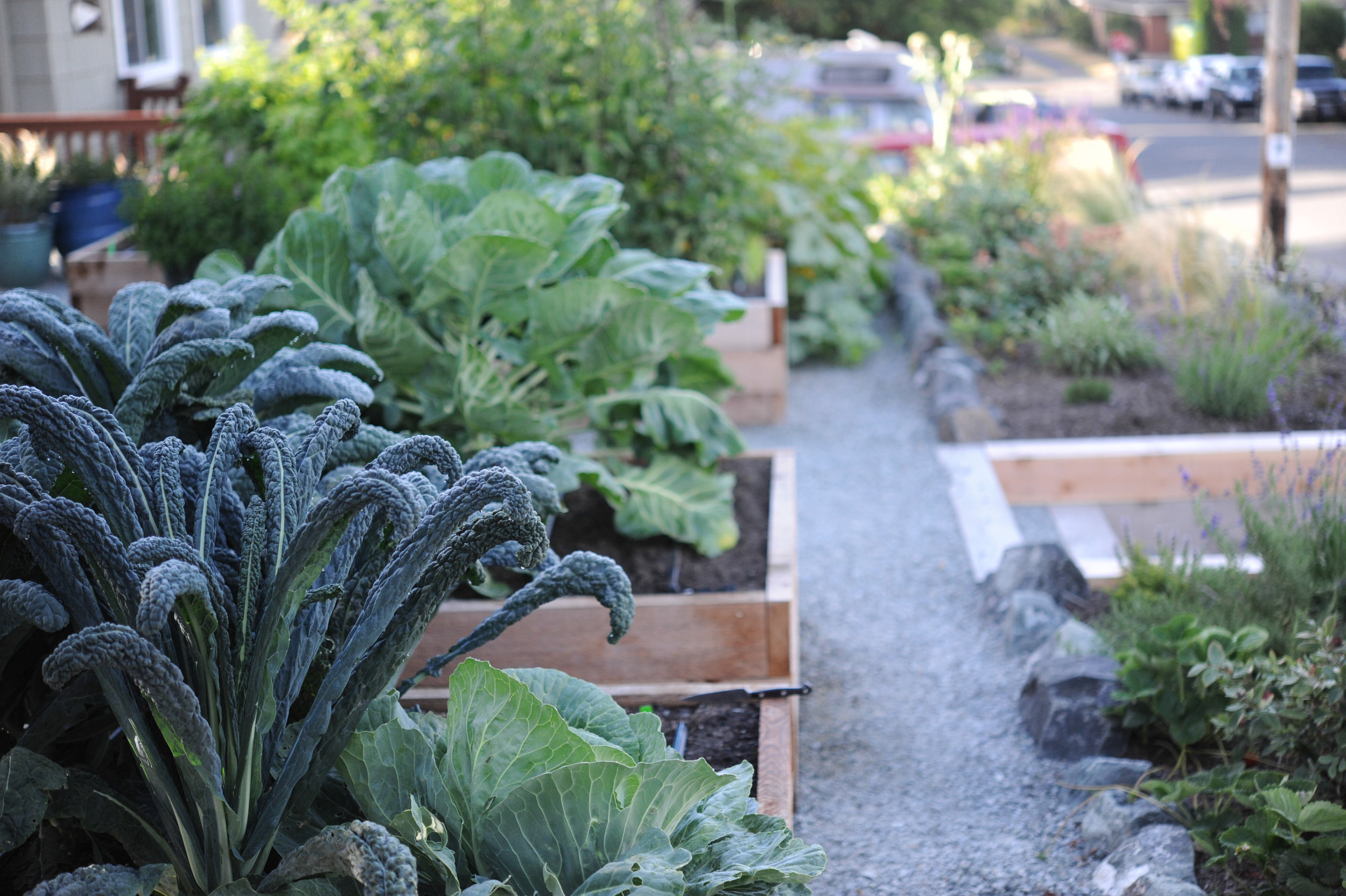
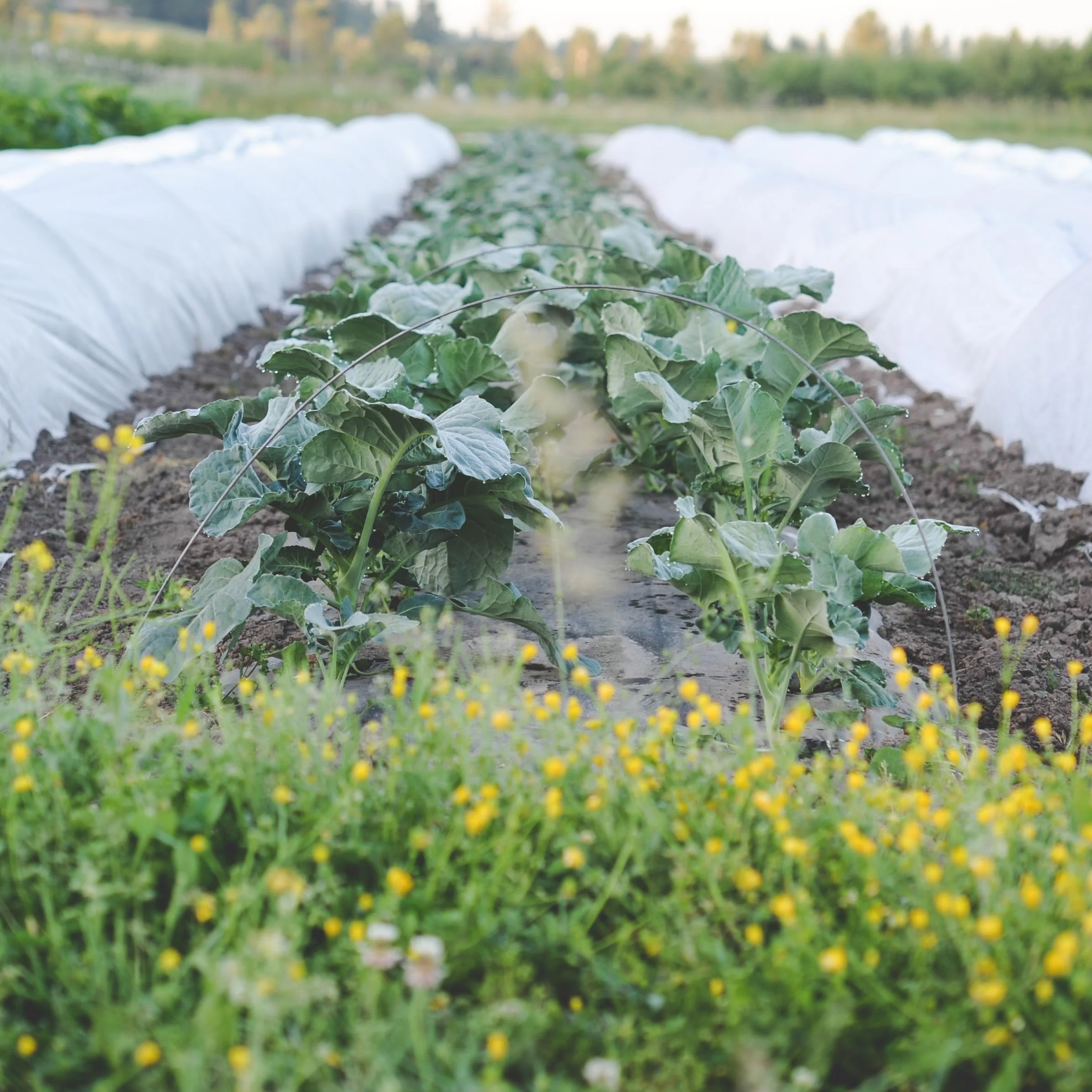
Healthy summer garden_Seattle Urban Farm Co.

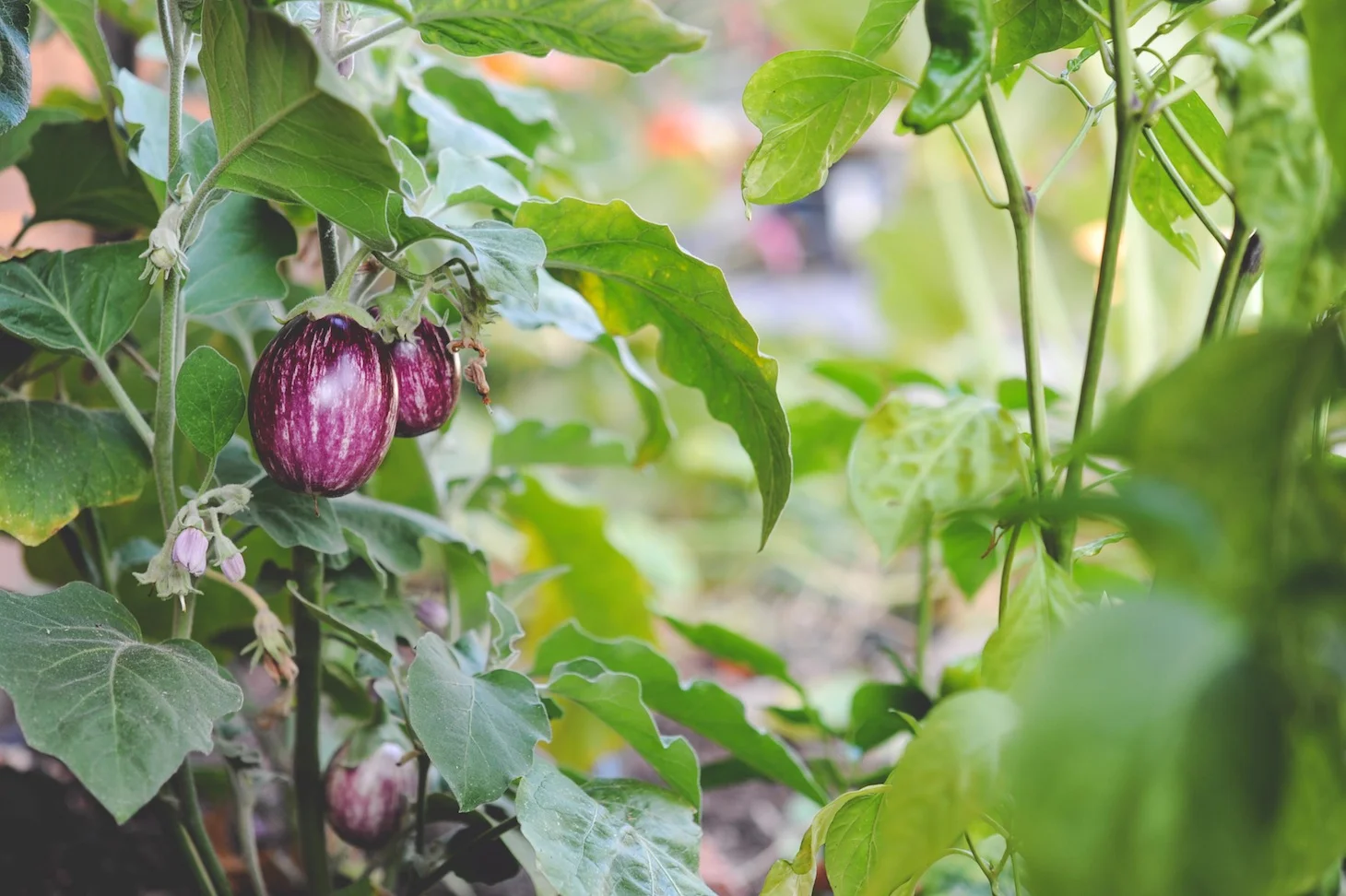
This episode we are going to delve into the wonderful world of soil pH. Managing the pH of a garden may sound super complicated or perhaps a bit over-the-top for the beginning gardener. However, checking and adjusting the pH of your garden soil is actually very easy and very important.

HOW TO LISTEN:

  • Listen right now in your browser by clicking above.

  • Subscribe in iTunes (or your favorite podcast player) to have our podcasts sent directly to your device.

SHOW NOTES:

In this episode, we discuss:

  • What is soil pH?

  • What does soil pH mean for our vegetable garden?

  • How you can amend soil pH.

Important Take-aways:

  • The pH of your soil affects the availability of nutrients to your plants. This means that, even if you have added compost and fertilized your garden soil with everything imaginable, if the pH is way off, the plants will not actually be able to absorb and use these nutrients.

  • For almost all annual vegetable crops a pH between 6.2 and 6.9 is ideal.

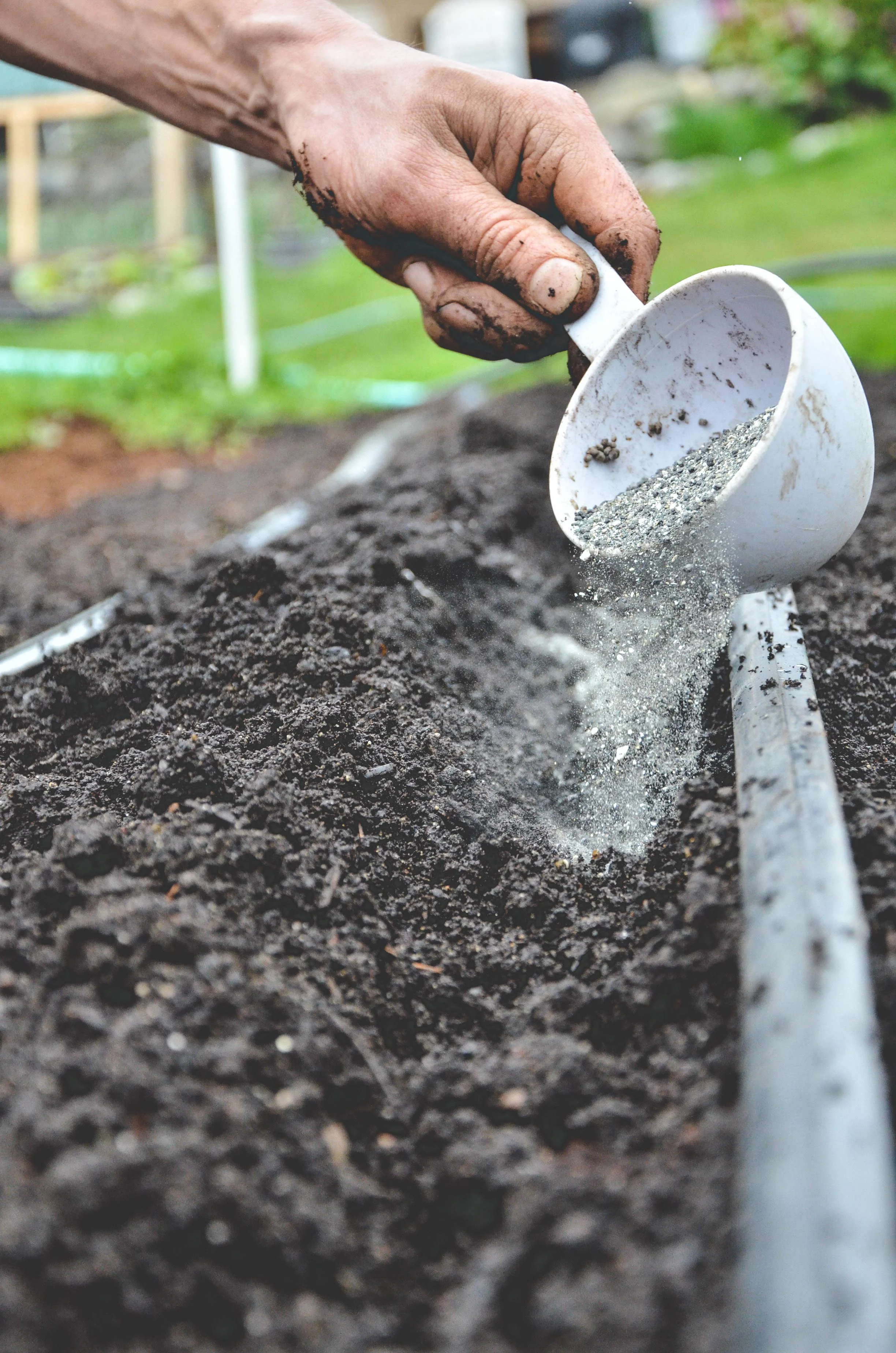
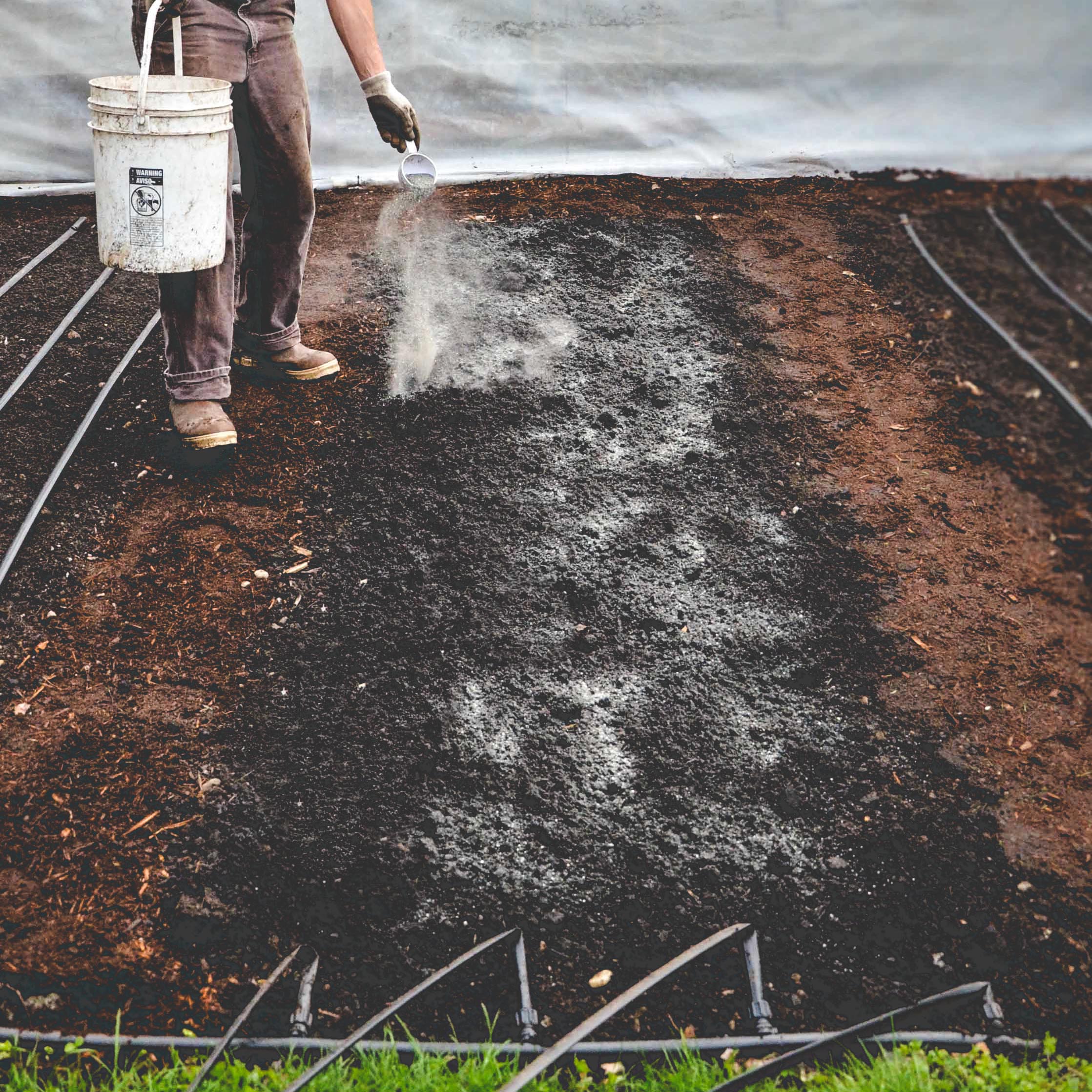
  • Adding Calcitic lime and Dolomitic lime will make your soil more basic.

  • Adding elemental sulfur will acidify your soil.

  • The advantage of Dolomitic lime is that it also provides magnesium and calcium to your soil, both essential plant nutrients. However, if applying Dolomitic lime, you need to be careful because over-applications or too frequent applications can throw the calcium-magnesium balance out of whack, which can lead to all sorts of plant health issues.

  • 4.5-5.5 is a good range to shoot for in your blueberry patch.

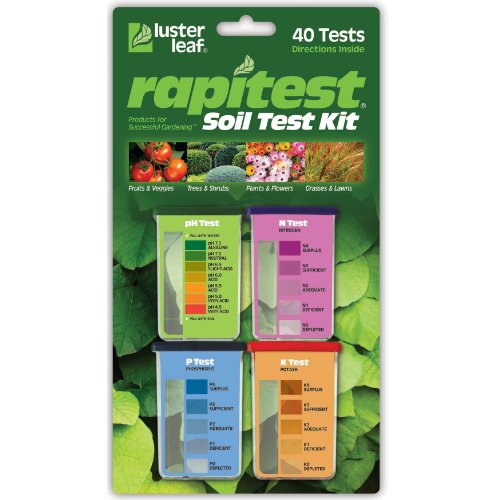
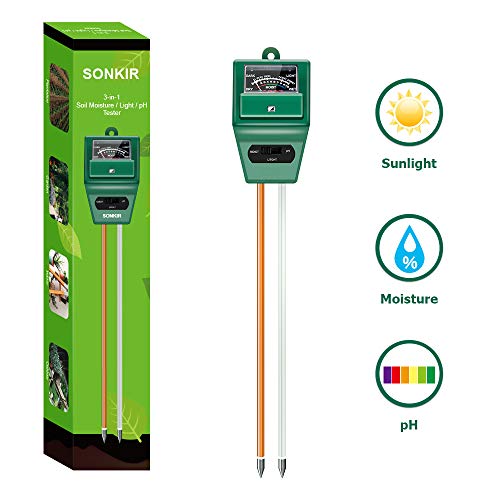
  • You have three basic options for testing your soil pH. You can use a pH testing kit at home that uses litmus paper; you can use an electronic pH tester at home; or you can send a soil sample into a lab. All of these are good solutions, but I think for the average home gardener, it probably makes sense to both use a home tester and to send in a soil test to a lab.

  • If you'd like to learn the make-up of your soil, get a soil test! Here are two labs that we use on a regular basis:
    • King Conservation District Soil Testing Program

    • A&L Eastern Laboratories

Applying lime to a garden.
Keeping perennials and annuals separate helps keeps amending soil pH simple

Heard on the Episode:

“Some perennial crops like blueberries actually prefer very acidic soil conditions, way more acidic than vegetables. This is another good reason to keep perennials in a separate planting area from your annual vegetables.” - Hilary Dahl

“My soil test results showed I was in the mid range for magnesium, so it sounds like calcitic lime would probably be the best amendment for me. And if you're not sure, that's the one to use so you don't inadvertently add too many minerals to your soil.” - Kellie Phelan

More on Garden Soil Nutrients
Episode 62: Vegan Fertilizer
September 15, 2017
Episode 62: Vegan Fertilizer
September 15, 2017

Organic fertilizer is a key component of any vegetable garden, and today we are going to explore a specialized recipe for an organic fertilizer that is totally vegan.

Read more →
September 15, 2017
Encyclopedia Botanica Podcast, Episode 34: Phosphorus and Potassium
March 3, 2017
Encyclopedia Botanica Podcast, Episode 34: Phosphorus and Potassium
March 3, 2017

Welcome to part 2 of our 2-part series on organic fertilizer! In the first part of the series, we talked about Nitrogen as an essential nutrient for healthy plant growth. This week we're talking about Phosphorus and Potassium.

Read more →
March 3, 2017
Encyclopedia Botanica Podcast, Episode 33: Nitrogen
February 24, 2017
Encyclopedia Botanica Podcast, Episode 33: Nitrogen
February 24, 2017

Over the next two episodes we will break down NPK, the acronym used to classify plant fertilizers. NPK stands for nitrogen, phosphorus and potassium. The letters used to represent each of these 3 nutrients are their symbols on the periodic table of elements. This week we will focus on Nitrogen, and next week we'll talk in depth about Phosphorus and Potassium. So, welcome to our 2-part series on organic fertilizer!

Read more →
February 24, 2017
Lessons from the Farm: Making Friends With Your Weeds
February 16, 2016
Lessons from the Farm: Making Friends With Your Weeds
February 16, 2016

Weeds can be a good thing. It's seems a little counter intuitive as a gardener/farmer to say, but in a lot of ways they really are. Over the past year I started working on our certified organic Urban Fringe Farm in Woodinville. I thought it would be interesting to bring the farm experience back to the backyard by sharing some of what I've learned. The weeds on our farm have been nothing short of challenging to tame, but as I began to study the enemy, I started to realize they are just the opposite of an enemy. 

Read more →
February 16, 2016
Curbing Blossom End Rot
August 20, 2015
Curbing Blossom End Rot
August 20, 2015

Blossom end rot can be an incredibly frustrating challenge for any vegetable gardener.  There is something particularly upsetting about watching a perfectly healthy-looking plant produce damaged and rotten fruits!  Fortunately, blossom end rot can be avoided and, once in process can often be overcome. 

Read more →
August 20, 2015
Seattle Urban Farm Co_Greensand Fertilizer
July 7, 2015
Organic Fertilizer Break Down Part Three: Greensand
July 7, 2015

The next stop on our path towards total fertilizer enlightenment is the wonderful world of Greensand.  As we learned in part one of our series, all fertilizers are rated by their NPK ratio, which indicates the percentage of Nitrogen-Phosphorous-Potassium in the product. Greensand (0-0-3) is a great source of Potassium and works as a component of a fertilizer mix and as a stand-alone soil amendment.  

Read more →
July 7, 2015
Organic Fertilizer Breakdown Part Two: Kelp
May 6, 2015
Organic Fertilizer Breakdown Part Two: Kelp
May 6, 2015

Welcome back to our 4-part series on organic fertilizer. In part two, we will continue to break down the ingredients in our custom organic fertilizer blend. This month we will be highlighting Kelp Meal.

Read more →
May 6, 2015
Organic Fertilizer Breakdown Part One_Blood Meal_By Seattle Urban Farm Co.
April 7, 2015
Organic Fertilizer Breakdown Part One: Blood Meal
April 7, 2015

Welcome to our 4-part series on organic fertilizer!  Over the course of this series we will break down the 4 ingredients in our custom organic fertilizer blend.  Each post will highlight one of the 4 ingredients how it benefits your vegetable garden. 

Read more →
April 7, 2015

Like what you hear? Please share our podcast with a friend. Subscribe on iTunes or your favorite podcast player so you never miss a beat. And we'd really appreciate you showing us some love by leaving a rating and review on iTunes. 

Have a topic you'd like see us dig in to? Leave us a note in the comment section below or #EBpodcast onInstagram and Twitter!


Tools mentioned in this episode:

Down to Earth Organic Garden Lime Calcium Carbonate, 5lb
Tomato/Veg/Herb Fert 4#
Luster Leaf 1601 Rapitest Test Kit for Soil pH, Nitrogen, Phosphorous and Potash
Sonkir Soil pH Meter, MS02 3-in-1 Soil Moisture/Light/pH Tester Gardening Tool Kits for Plant Care, Great for Garden, Lawn, Farm, Indoor & Outdoor Use (Green)

Featured
Hilary Dahl
Hilary Dahl

Hilary Dahl is a co-owner of Seattle Urban Farm Company and host of the Encyclopedia Botanica podcast. Since 2010 Hilary Dahl has been helping beginning and experienced growers create beautiful and productive gardens. She has the unique experience of working in on a wide range of projects, from small backyard garden plots to multi-acre vegetable farms. She also works in her own garden every day after work. Hilary is also the creator of our podcast, the Encyclopedia Botanica, which she started as a way to share effective and efficient garden management techniques, and as a way to spread her love of growing food and flowers!

Read more →
Colin McCrate
Colin McCrate

Colin McCrate has been growing food organically for over 25 years. He worked on a variety of small farms in the Midwest before moving to the west coast in 2003 to teach garden-based environmental education. He founded the Seattle Urban Farm Company in 2007 with the goal of applying years of horticultural and agricultural expertise to help aspiring growers get projects off the ground or more accurately; in the ground.

Since starting Seattle Urban Farm Co in 2007, he has helped guide hundreds of urban farmers through the design, construction and management of their own edible landscape. Colin is the author of three books; Food Grown Right, In Your Backyard(Mountaineers Books, 2012) and Grow More Food (Storey Publishing, 2022); and is a garden writer for the Seattle Times.

Read more →
← Encyclopedia Botanica Podcast, Episode 20: Fall Garden JournalingEncyclopedia Botanica Podcast, Episode 18: Applying Compost to the Fall Garden →
No results found
The Freyr garden trellis by Seattle Urban Farm Co
All Posts By Topic
  • Annual Vegetables 123
  • Podcast 86
  • Spring 36
  • Summer 26
  • Fall 25
  • Garden Planning 24
  • Garden Design 21
  • Harvesting 19
  • Seattle Urban Farm Co 18
  • Winter 18
  • Flowers 15
  • Soil Care 14
  • Crop Planning 11
  • Drip Irrigation 11
  • Freyr trellis 11
  • Organic Pest Control 11
  • Organic Fertilizer 8
  • Container gardening 7
  • Fruit Trees 7
  • The Urban Fringe Farm 7
  • raised beds 7
  • Herbs 6
  • Perennial Vegetables 6
  • Pollinators 5
  • Bees 4
  • Berries 4
  • Crop Storage 4
  • Microgreens 4
  • Farmers 3
  • Our Friends 3
  • Projects 3
  • Chickens 2
  • Seed Starting 2
  • 2025 events 1
  • Crop Diseases 1
  • In The Press 1
  • Question of the Month 1

Our Books:

By McCrate, Colin, Halm, Brad
Order the Freyr trellis today!

Follow Us on Instagram


Featured
DSC_9353.JPG
April 10, 2025
How to grow tomatoes
April 10, 2025

Tomatoes are an incredible crop and probably the most popular garden vegetable. The tomato originated in South America and eventually made its way into the cuisine of just about every culture on the planet.

Read more →
April 10, 2025
Harvesting-homegrown-zucchini-off-of-the-Freyr-vegetable-garden-trellis.jpg
October 30, 2023
Crops you'll love to grow on the Freyr trellis!
October 30, 2023

A surprising number of annual crops benefit from the support of a trellis. Because we love trellised crops and because we’ve been trialing a ton of varieties, we started carrying a selection of Renee’s Garden seeds in our shop! Here is a short list of some of our favorite crops and varieties to grow vertically in the garden and links to our store where you can find our favorite types:

Read more →
October 30, 2023
Drip Irrigation How-To, Part 2
October 6, 2023
Drip Irrigation How-To, Part 2
October 6, 2023

Welcome to our new YouTube series! Learn how to pick a garden site, build vegetable garden beds and install drip irrigation.

Read more →
October 6, 2023

Shop | Contact | Trellis Guide | About | Our Books | Podcast | Wholesale | Subscribe

seattle urban farm company
Address: 4511 Shilshole Ave NW, Seattle, WA 98107
contact: info@seattleurbanfarmco.com

Featured in

Screen Shot 2019-04-11 at 2.13.41 PM.png
Screen Shot 2019-04-11 at 2.13.56 PM.png
Screen Shot 2019-04-11 at 2.14.09 PM.png
Screen Shot 2019-04-11 at 2.18.29 PM.png
Screen Shot 2019-04-11 at 2.20.19 PM.png

© Copyright 2024 – Seattle Urban Farm Company. All Rights Reserved.