This is the first of many episodes we will share over the next few months on the topic of garden planning. Right now it is the beginning of December and it may seem a bit early to start thinking about planning your garden for next season. No matter how simple or comprehensive your garden plan will be, these episodes will be here for you to revisit as many times as you'd like over the coming months and seasons to help you devise an intricate plan or simply serve as an inspiration for future projects.
HOW TO LISTEN:
Listen right now in your browser by clicking above.
Subscribe in iTunes (or your favorite podcast player) to have our podcasts sent directly to your device.
SHOW NOTES:
In this episode, we discuss:
Lifespan of annual crops
Days to maturity
Succession planting
Important Take-aways:
Regardless of your prior experience, knowing more about the life span and growth cycle of your crops will help you make decisions about what to plant, when to plant it, and how much of it to plant.
I like to break annual crops into 4 different categories: Short season, half season, long season, and super long season.
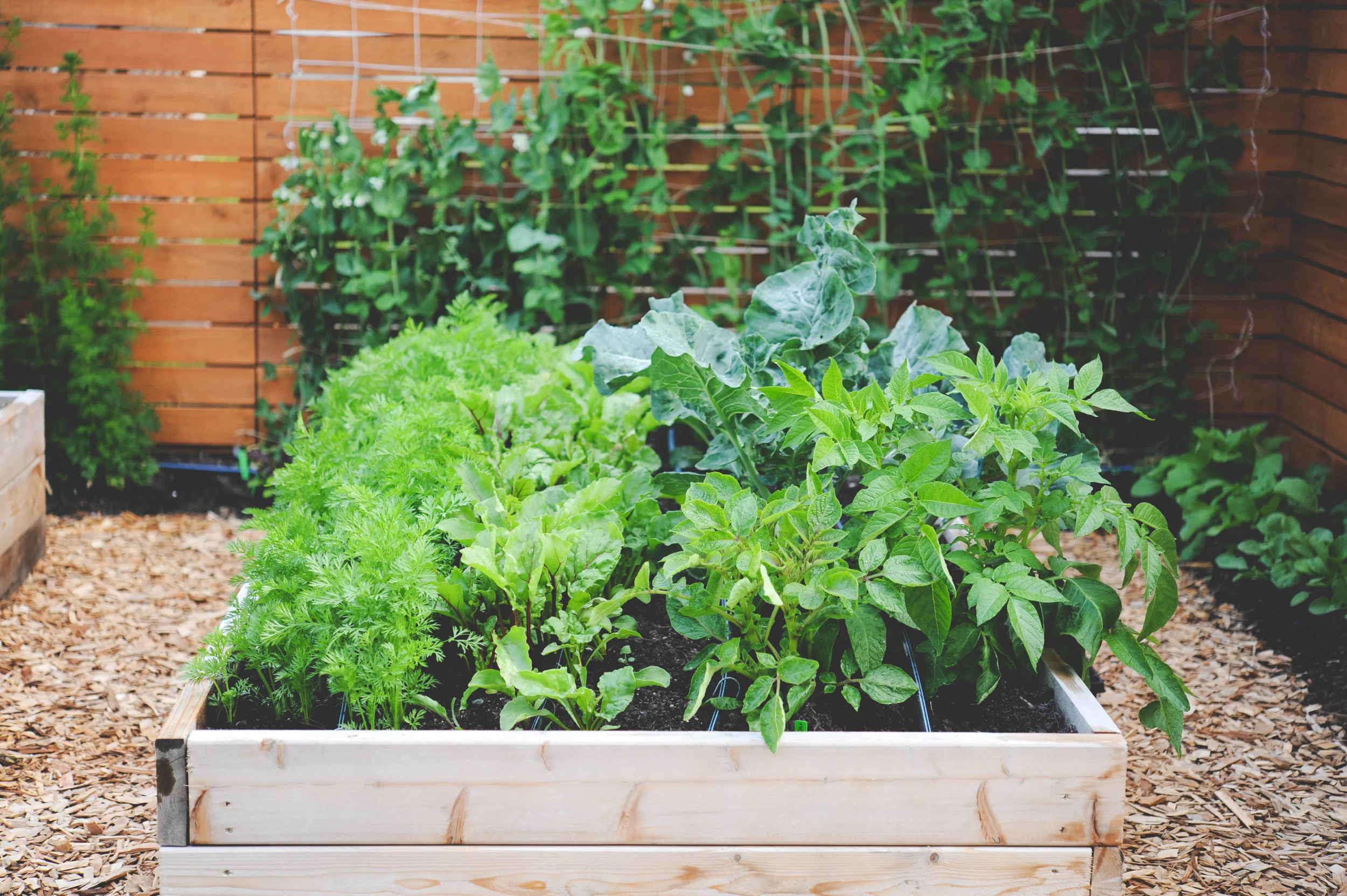
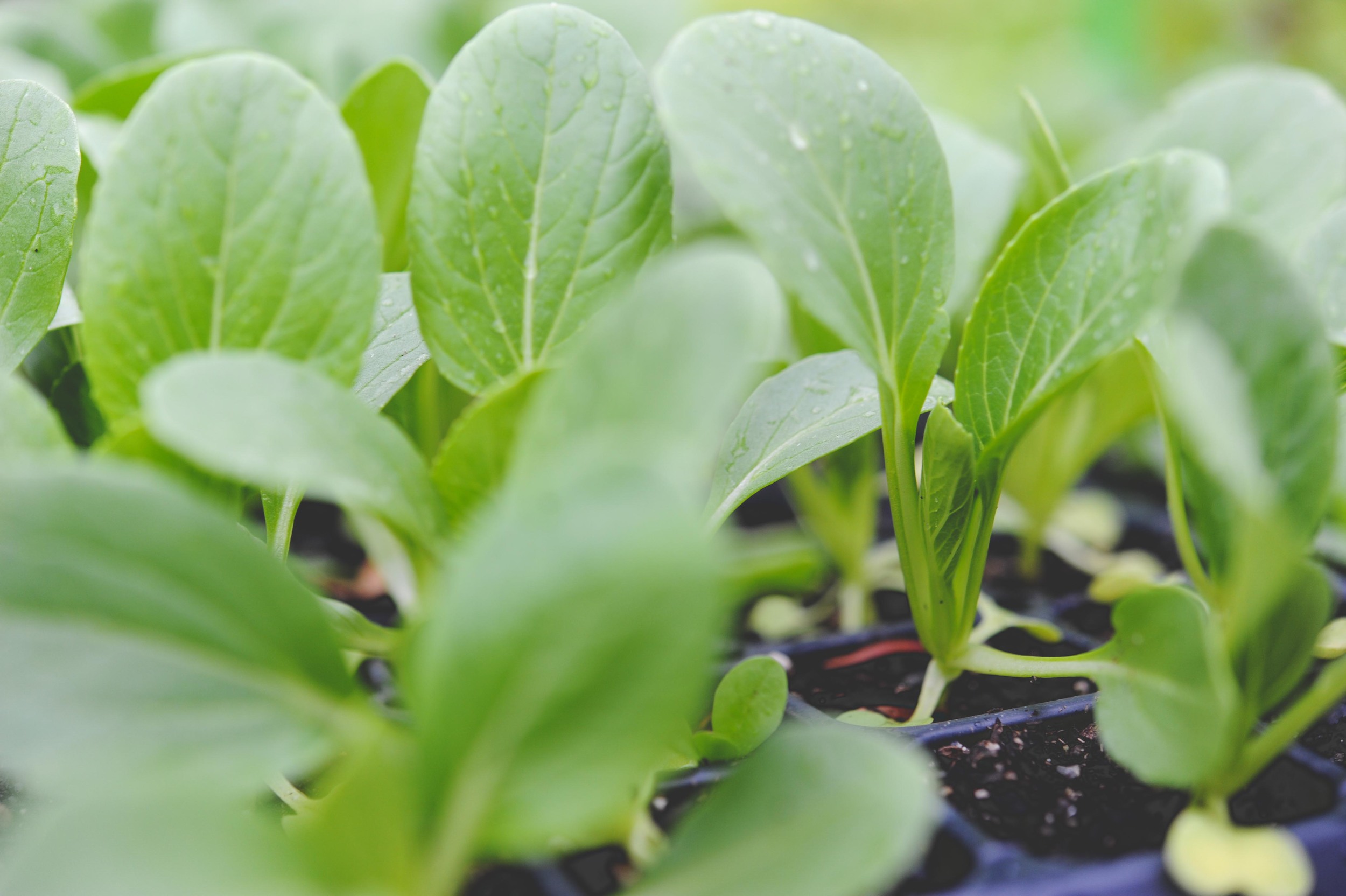
Short season crops can be grown from seed or from transplants and are usually ready to harvest in 20-60 days. Since they grow quickly, you can plant these crops several times over the course of the year. Examples include arugula, cilantro, lettuce, radishes and spinach.
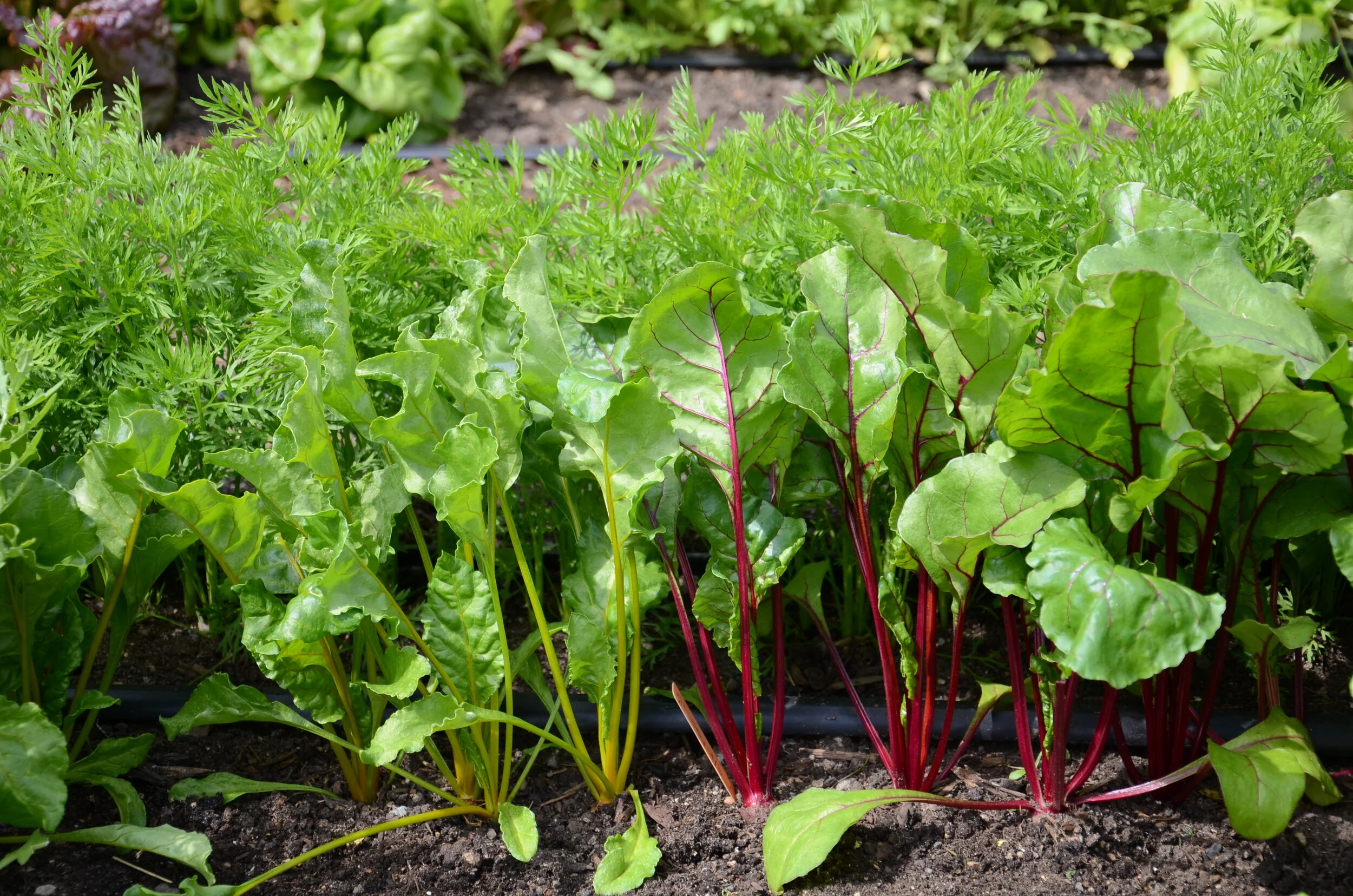
Half season crops take roughly half of a typical growing season to reach maturity. They usually reach maturity in 50-80 days. Examples of half season crops are bush beans, carrots, beets and many Brassica crops like cabbage, cauliflower and broccoli.
Long season crops take around 70-120 days to reach maturity. In some climates, that's almost the entire growing season. Examples include melons, peppers, tomatillos, tomatoes and winter squash.
Then there are the super long season crops. Super long season crops tend to be planted in the fall and are harvested the following summer. As an example, garlic is typically planted in late fall and then harvested the following June or July, so the crop may be in the garden for up to 9 months.
Plant crops with similar lifespans together.
How a crop is harvested will effect how long it will remain in the garden.
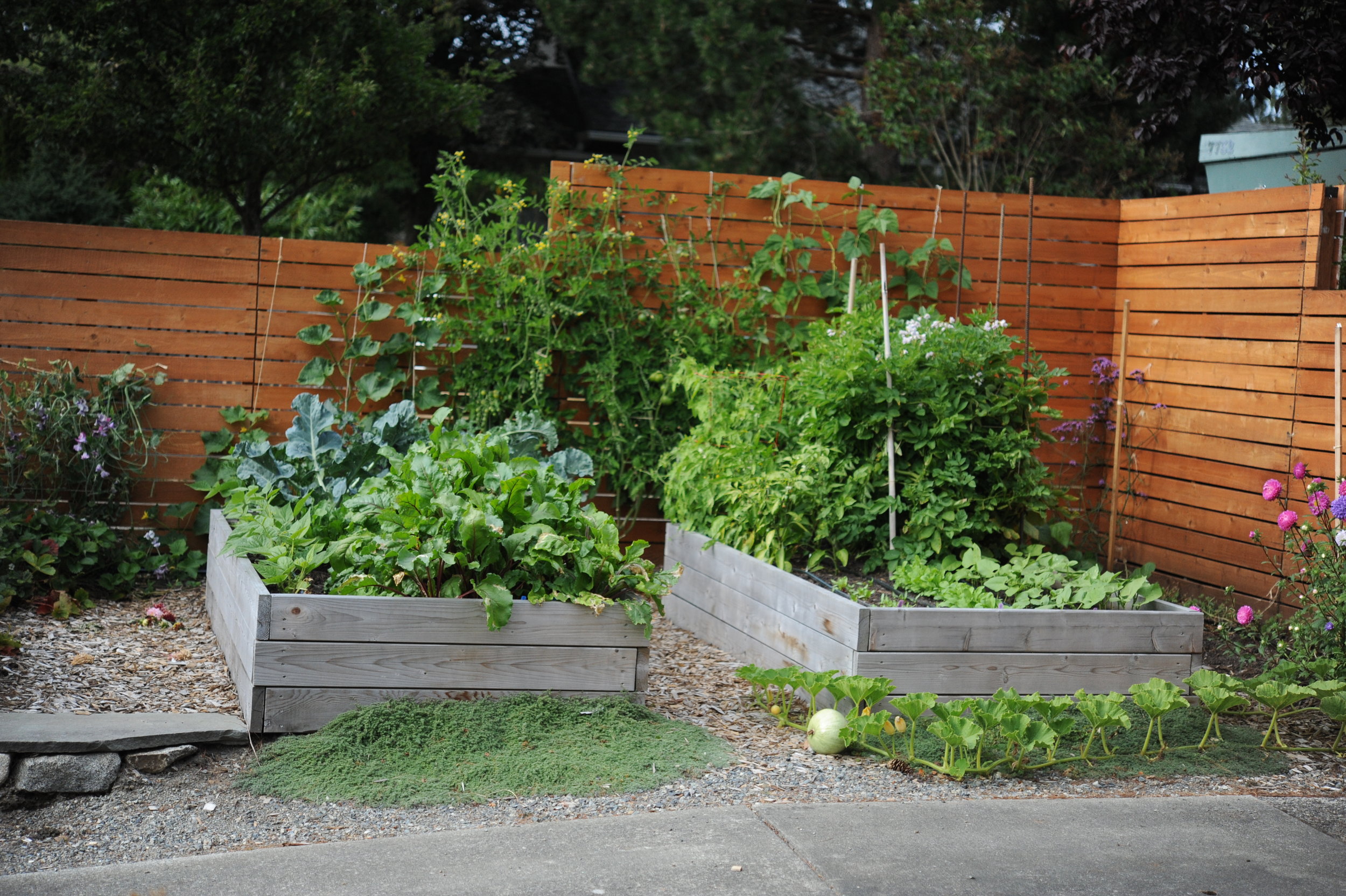
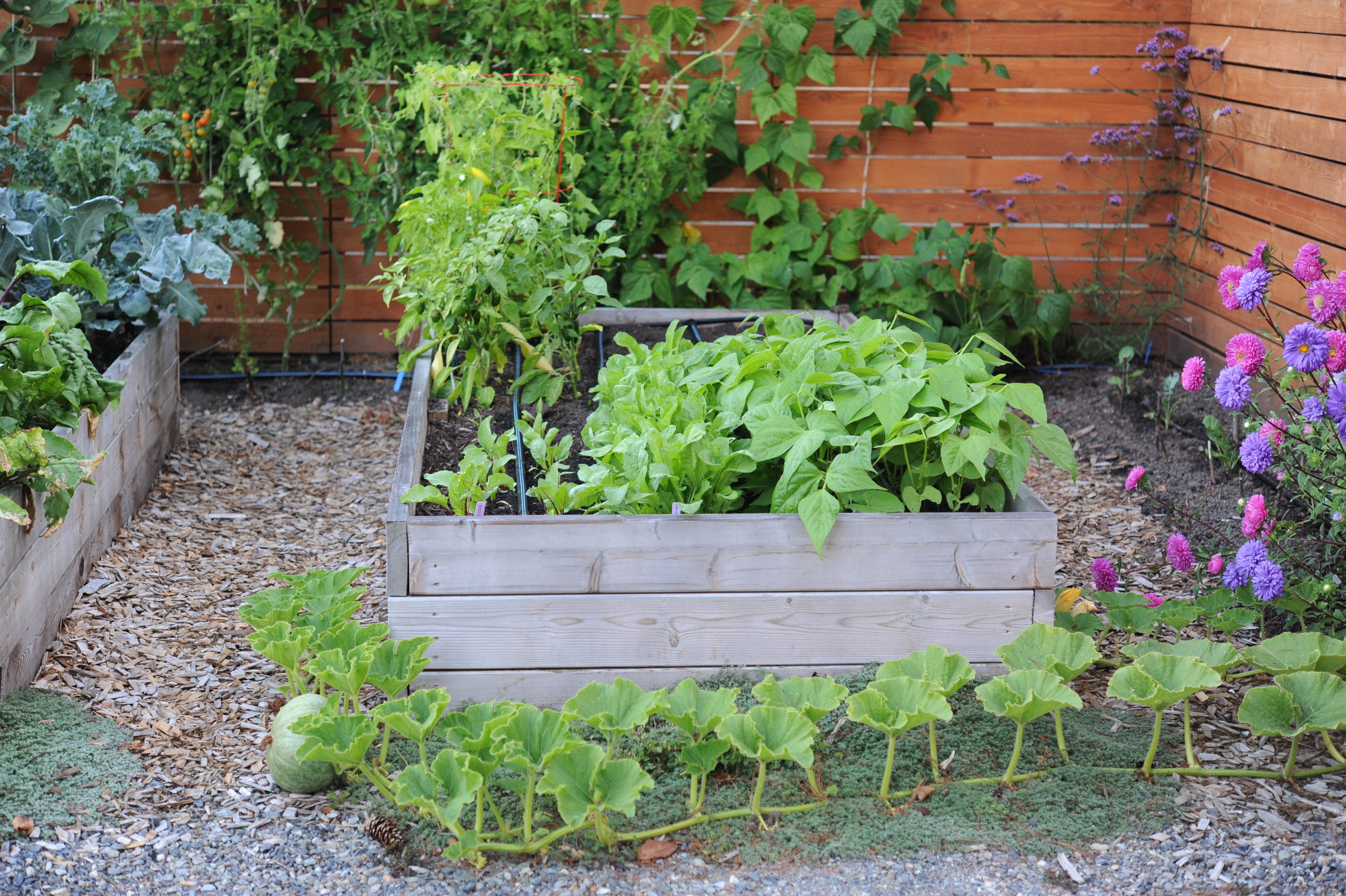
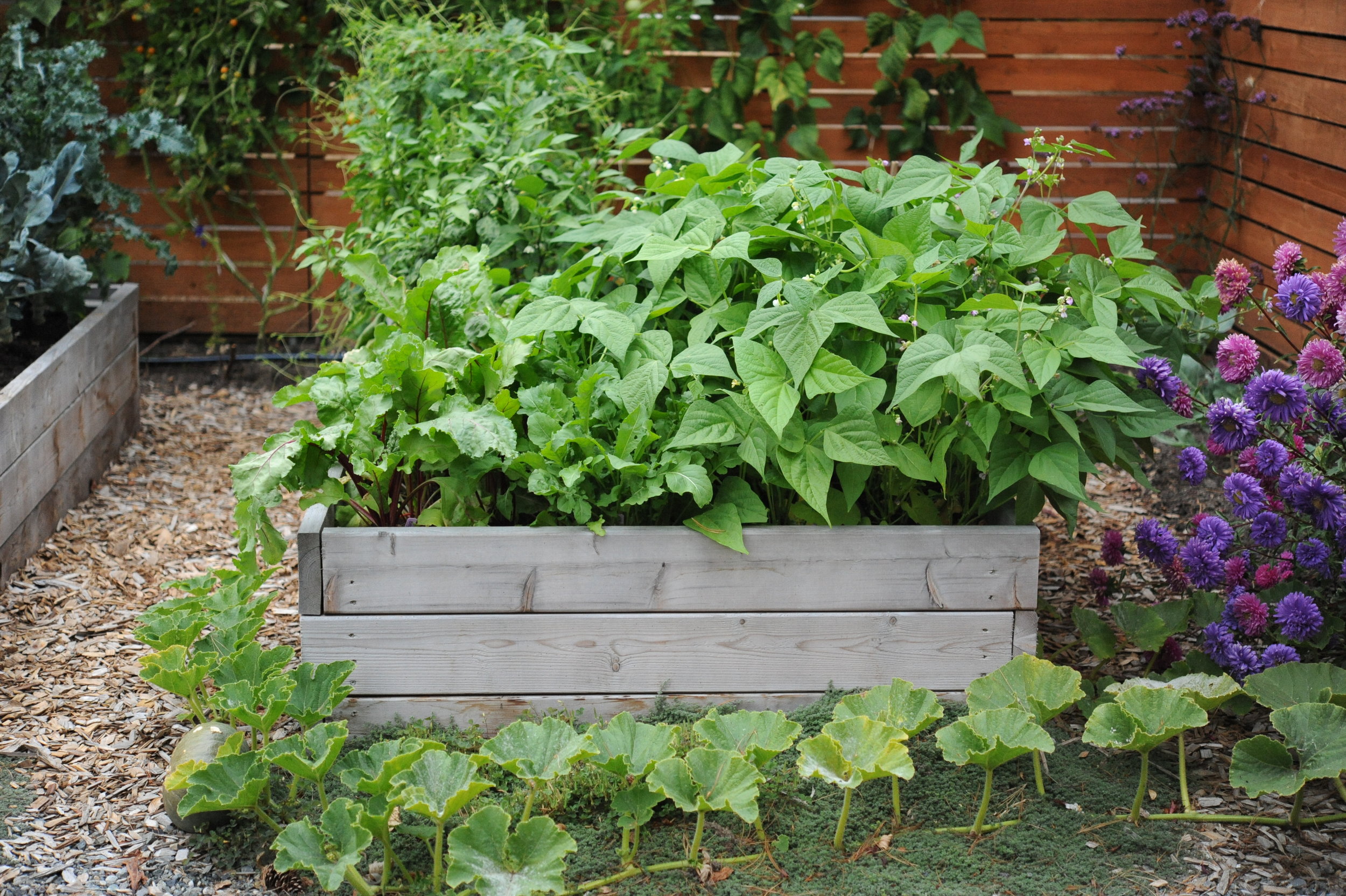
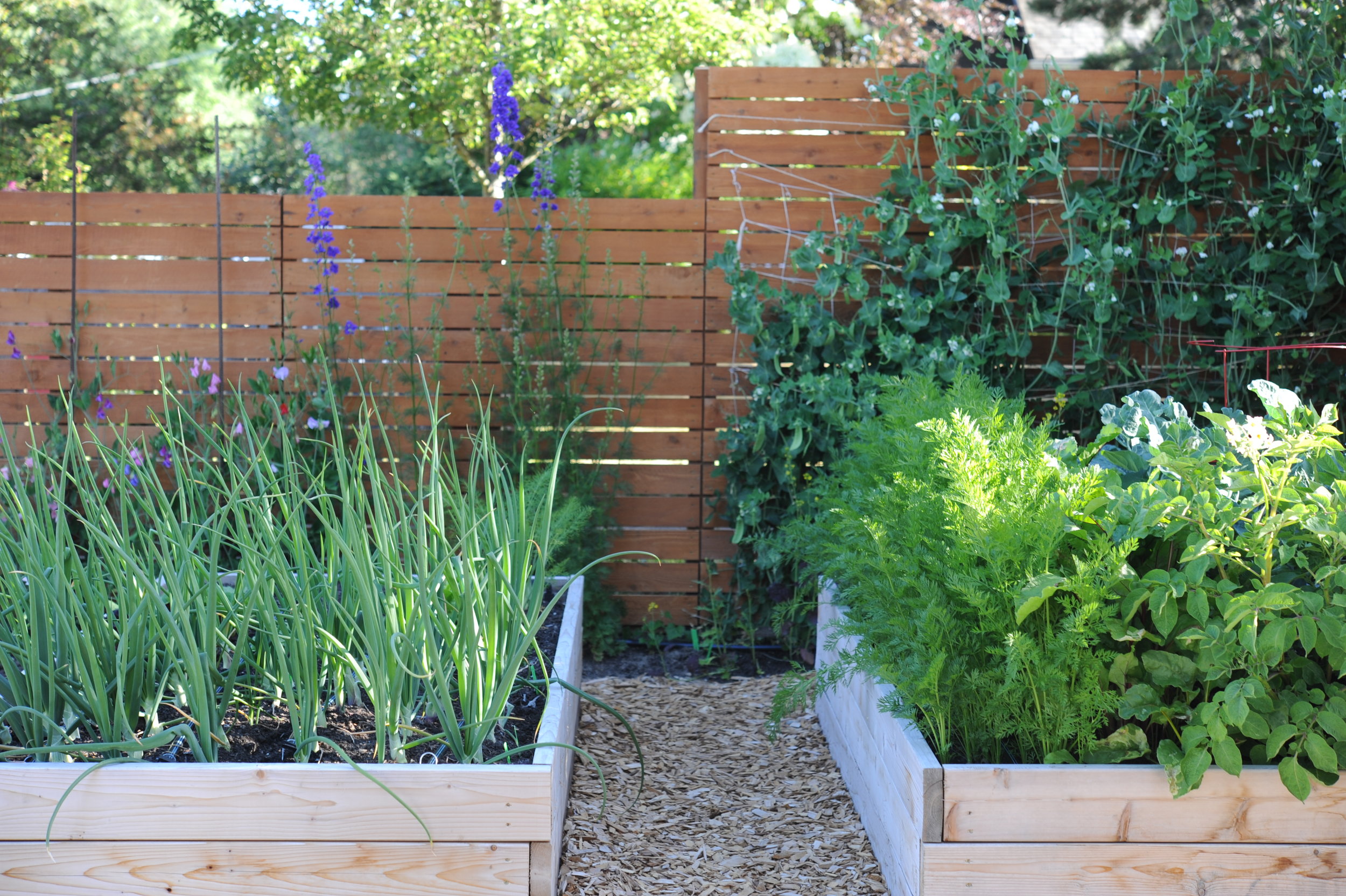
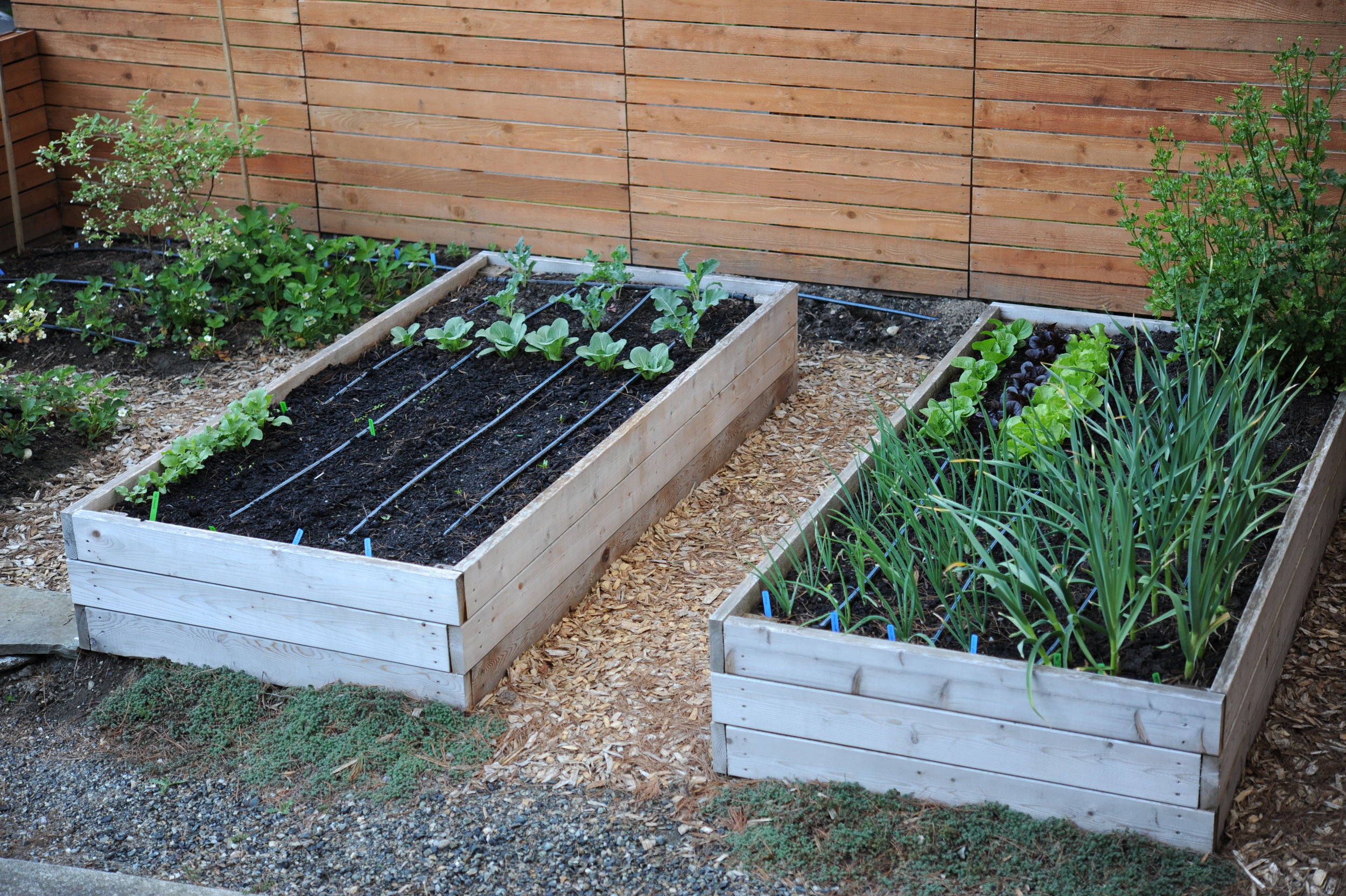
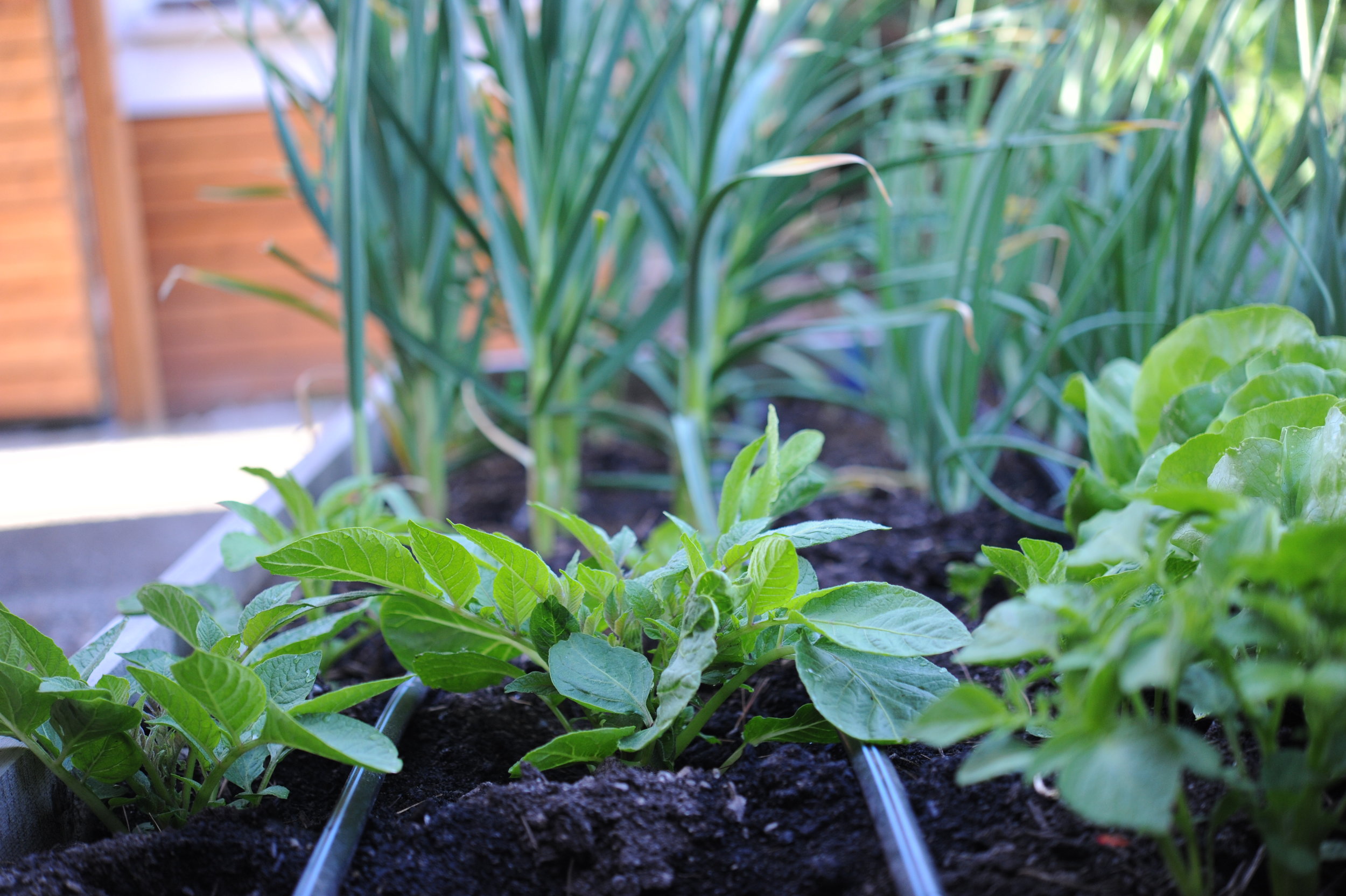
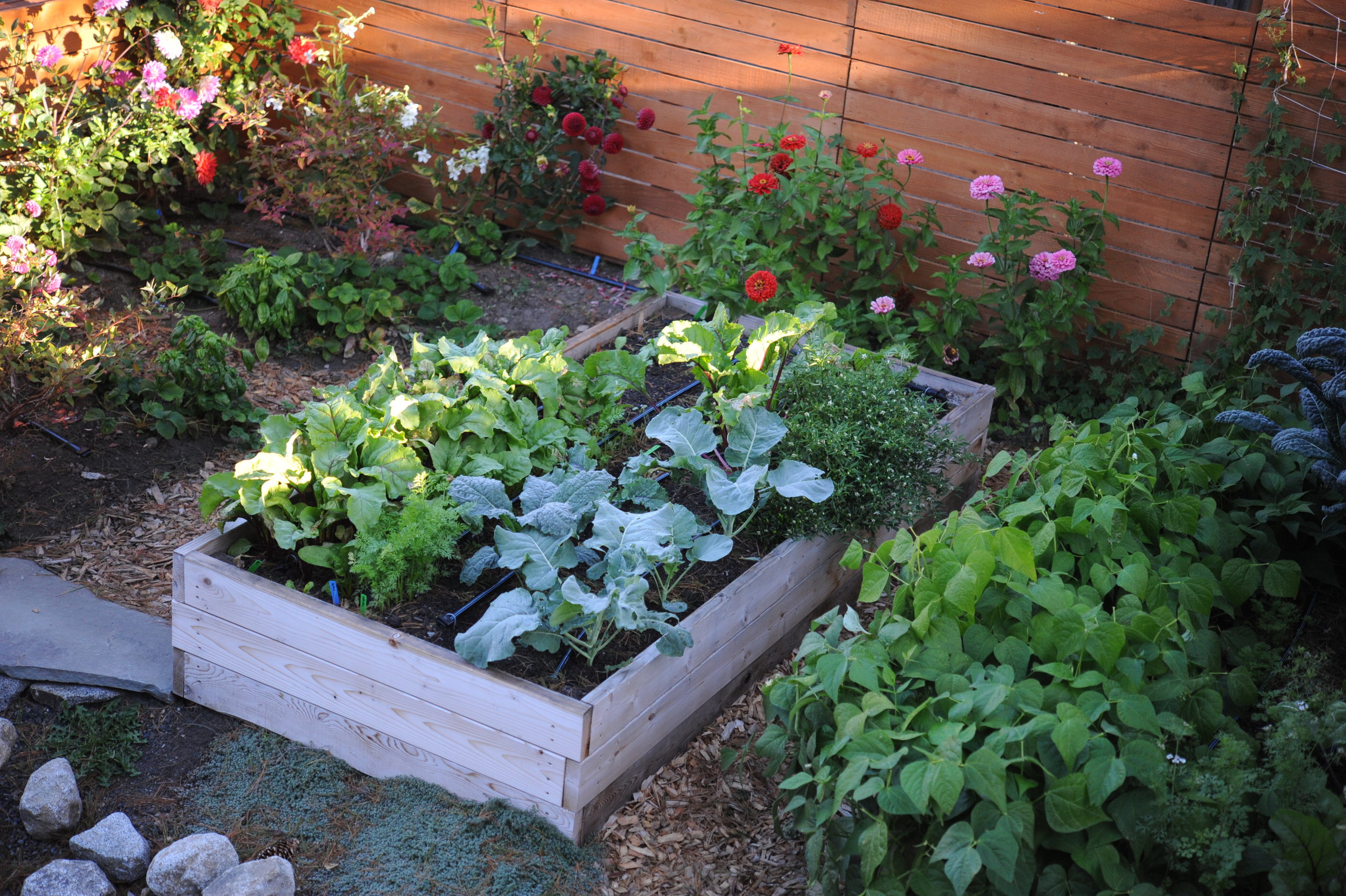
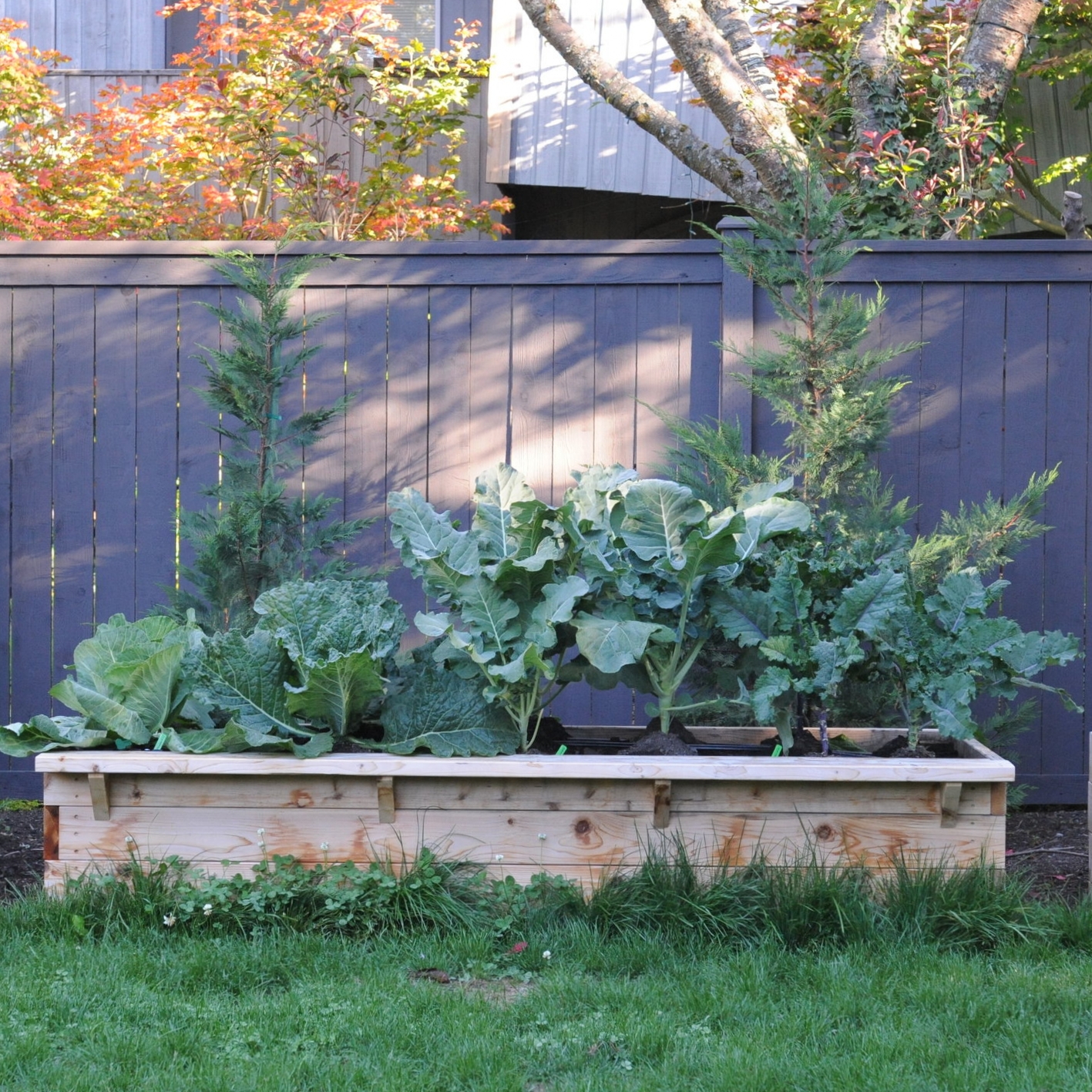
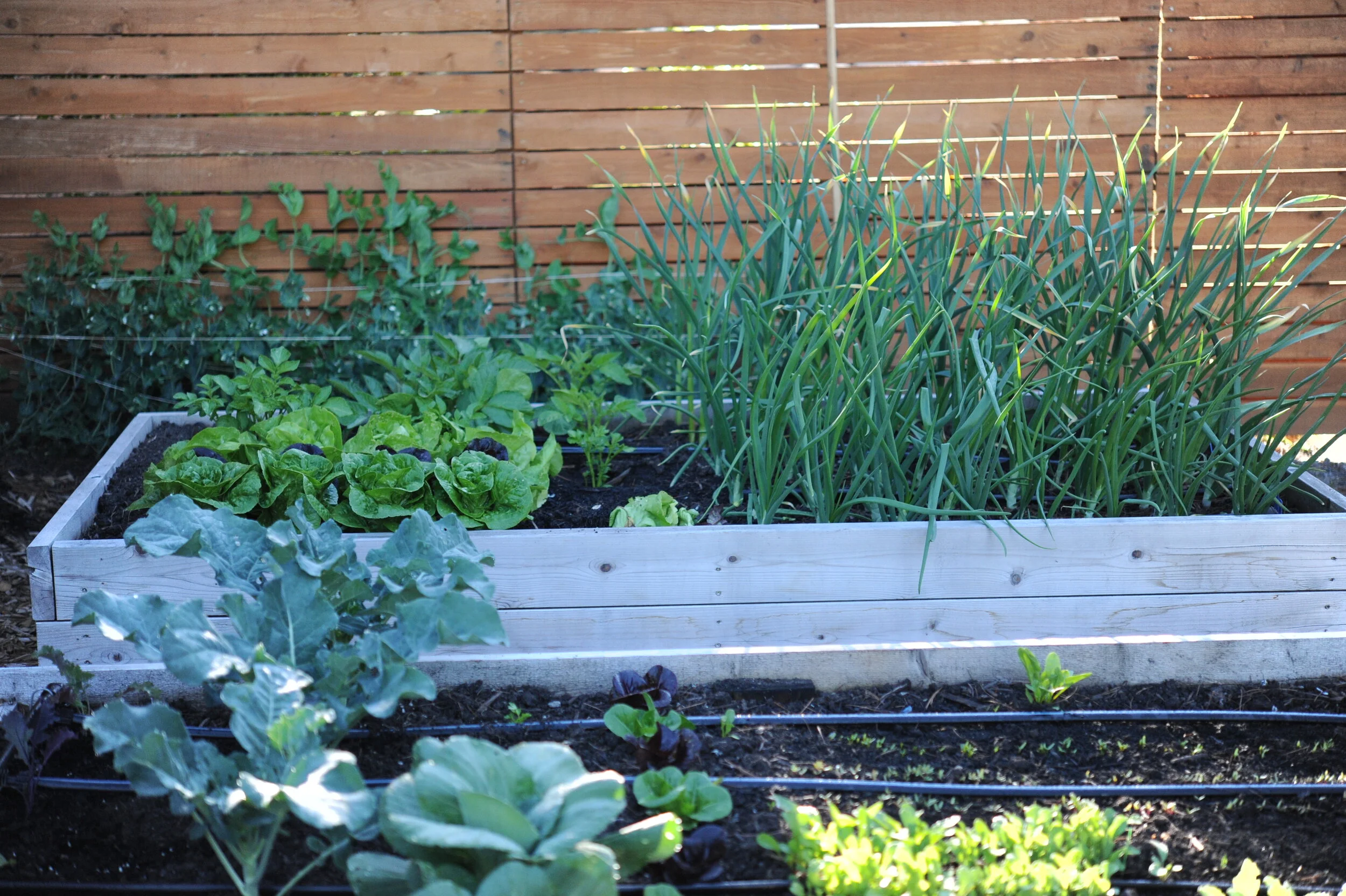
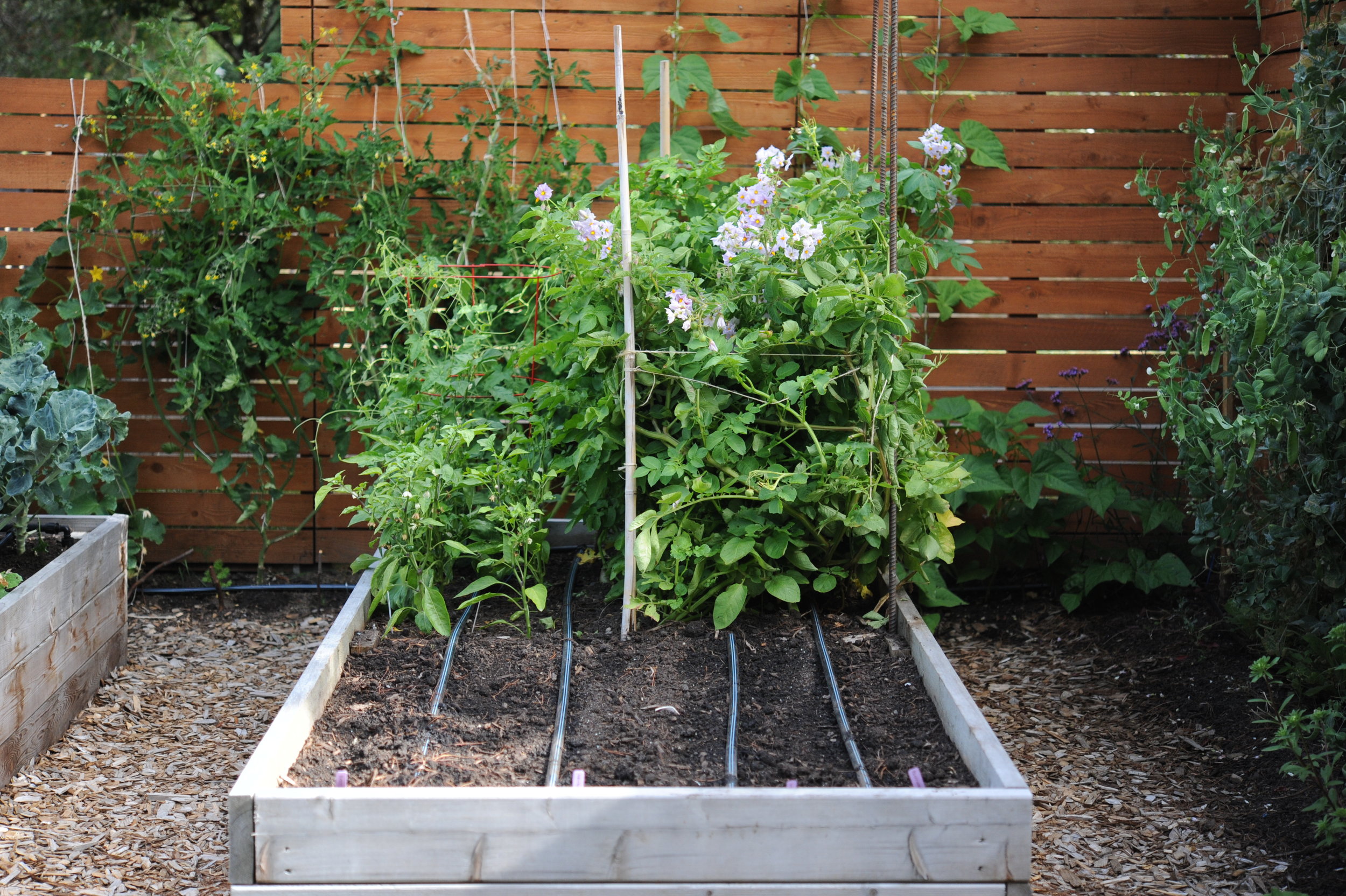
Below: The first shows the empty half of the raised bed after the onions and garlic (see top photo) were harvested. The remaining photos show how the empty portion of the bed was planted with half-season crops after the onions and garlic were pulled.
Heard on the Episode:
“For me, one super helpful concept is to simply plant crops with similar lifespans together. If you plant an entire bed with half season crops like bush beans, cauliflower, carrots and beets, you may be able to harvest all of these crops within a few weeks of each other mid-season. Opening up an entire bed will make it easier to properly prepare the soil for a new planting. ” - Hilary Dahl
“Once you understand crop lifespan and harvesting, [garden planning] actually pretty approachable. I consider myself a garden ninja now, packing as many crops one after another that I can into my small space.” - Kellie Phelan
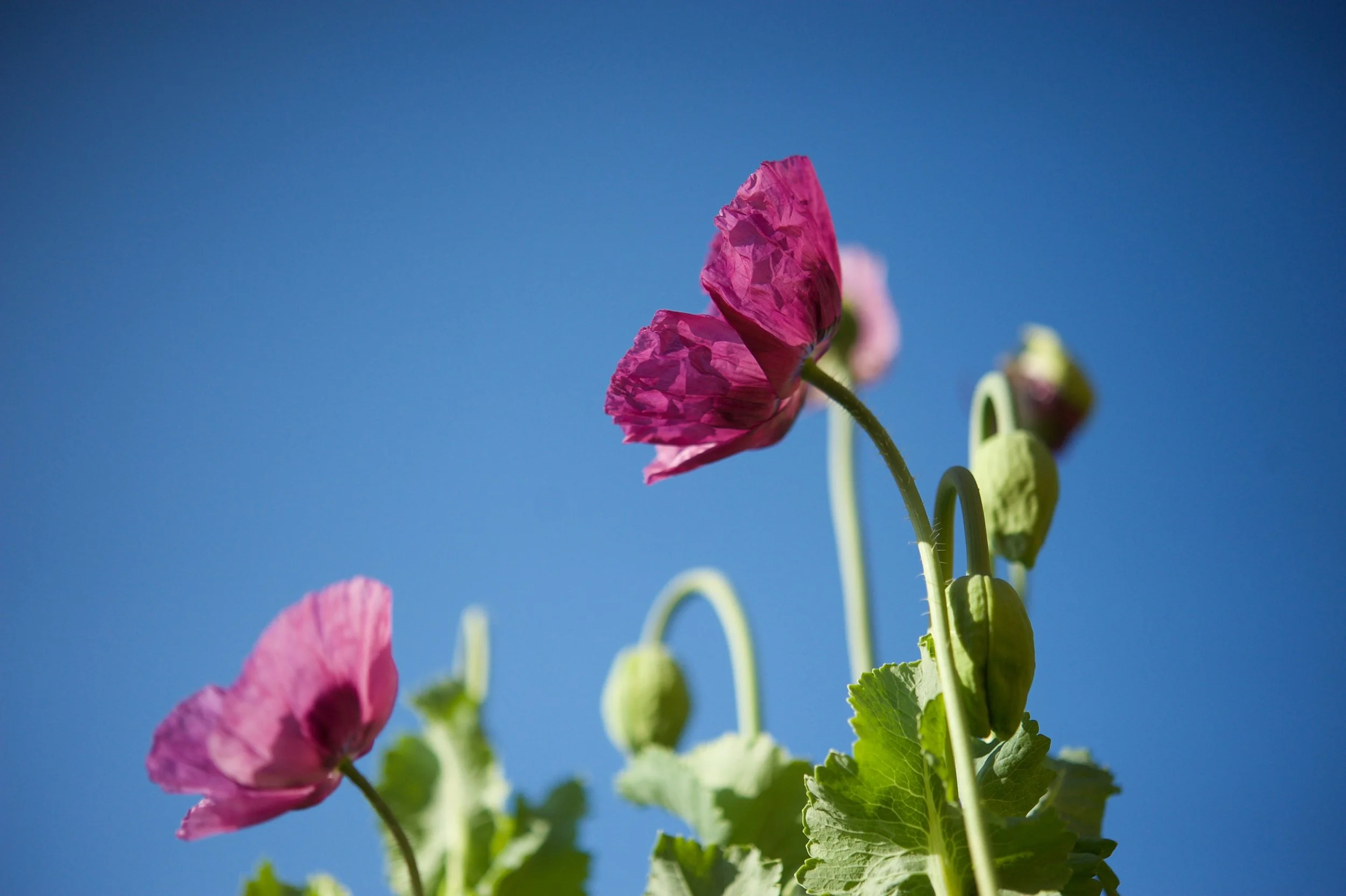
Poppies are one of the easiest—and most rewarding—flowers you can grow. Their delicate petals and vibrant colors add whimsical charm to any garden. The best part? They thrive with very little fuss, as long as you plant them the right way.
Seed starting is a fairly simple process, but it’s important to do it properly to ensure even, consistently high germination rates and the healthiest transplants.
The Freyr trellis was designed to be easy to set up. We wanted the installation process to feel simple, fast, and require a minimum of tools. However, taking a little time to closely follow the instructions will go a long way in making your trellis as stable and attractive as possible!
We chose hemp as our first twine product because of its strength and rot resistance, and because it's one of the most environmentally-sound materials available.
Our compostable nets can be used to support plants growing both vertically and horizontally.
Growing upward instead of outward might just be one of the simplest ways to grow smarter. Vertical gardening—encouraging your plants to climb instead of sprawl—saves space, reduces pests, and makes gardening (and harvesting) a whole lot easier.
If you want abundant harvests and nutrient-rich vegetables, start by improving your soil. Soil health determines the quality, productivity, and long-term success of your garden.
If you want healthier plants, easier harvests, and a more efficient garden layout, string trellising might just change the way you grow.
Compared to most ornamentals, annual veggies demand more nutrients, more often. In perfect conditions, humus-rich soil can supply everything they need. In real gardens, a smart organic fertilizing plan keeps plants vigorous and yields high.
In episode 119 of the Encyclopedia Botanica podcast, host Hilary Dahl is joined by her husband and business partner, Colin McCrate, to dig into the cultivation of broccoli, cauliflower, and cabbage.
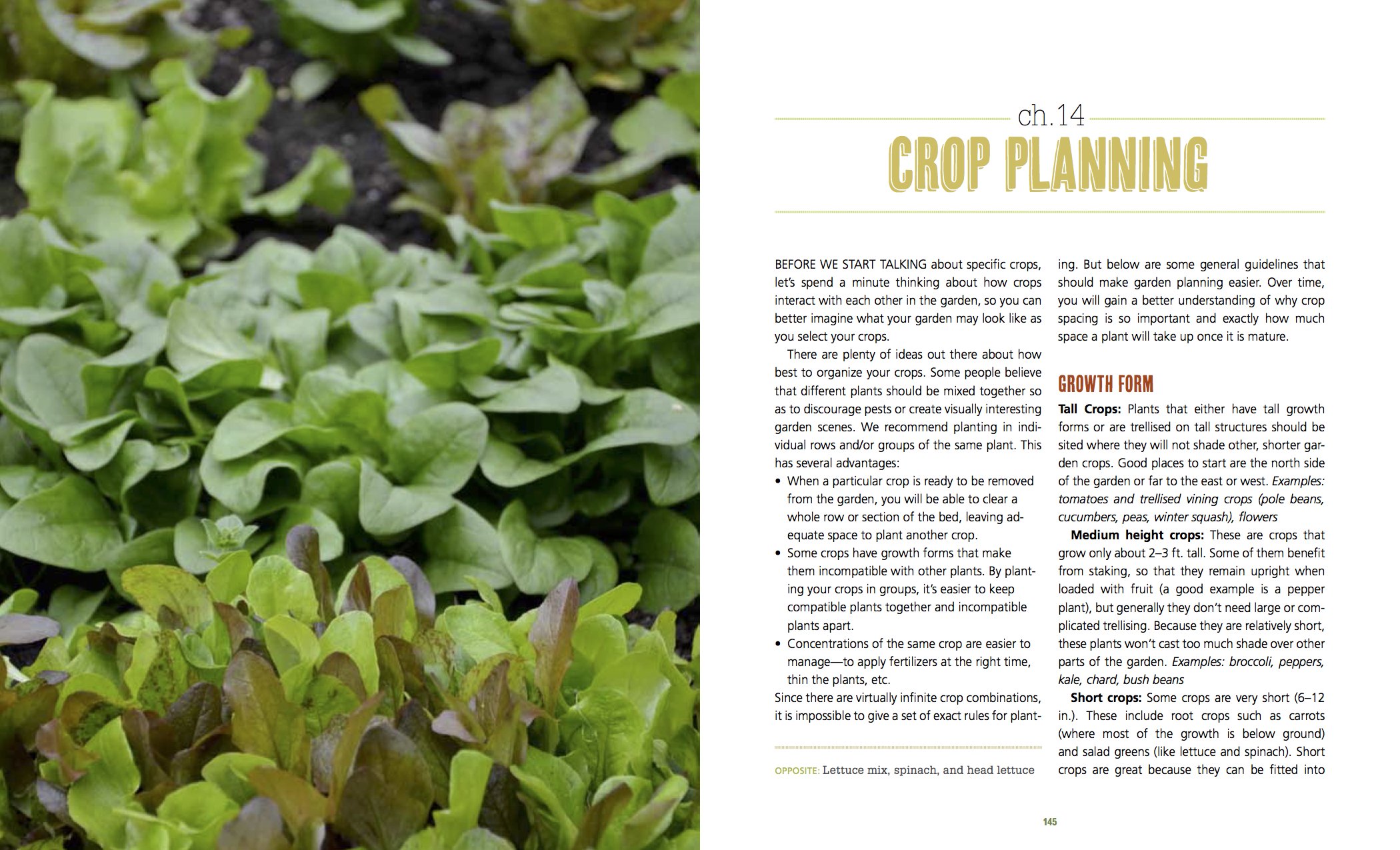
There are plenty of ideas out there about how best to organize your crops. Some people believe that different plants should be mixed together so as to discourage pests or create visually interesting garden scenes. Since there are virtually infinite crop combinations, it is impossible to give a set of exact rules for planting. But in this chapter from our book “Food Grown Right, In Your Backyard”, we share some general guidelines that should make garden planning easier.
Mid-July brings warmer weather to many regions, and this weather brings the end of pea season. It’s also the time when garlic and onions (bulbing alliums) have matured and are ready to be pulled from the garden to make room for another crop. So...what’s next? Just when you thought your garden was full and it was time to sit back and enjoy the bounty, it’s time to start planting again! There’s rarely a dull moment in a high-yield vegetable garden!
Crop planning for the vegetable garden often feels overwhelming to new (and experienced) growers. There are many different schools of thought on how to plan and layout annual crops. As a result, there’s lots of conflicting information out there to confuse the well-intentioned researcher.
At Seattle Urban Farm Co., we create plans for 70 gardens each year. Our garden plans are devised to maximize the garden’s productivity, while keeping them neat and tidy. We organize our plantings to make ongoing maintenance as easy as possible.
This episode includes a round-up of crops that mature in 40 days or less. We picked 40 days because there are very few crops that can mature in fewer than this many days, but it is still a short enough period (just over a month) that it is easy to plan for and execute even in the waning days of the summer. Consider this your last call for planting and get out there and sow some seeds!
Growing from seed can have the potential to dramatically increase your opportunities for better yields by allowing you much more control over the varieties of each crop that you can plant in the garden. Keeping a well-stocked seed library also allows you to take advantage of production opportunities on your own schedule throughout the season.
Over the past two episodes, we discussed tools you can use to decide where your crops should be planted in a given season, but it's important to plan where to plant them from year to year. This week we are going to go over why you want to rotate and why certain crop families require more frequent rotation.
This week we will be continuing the garden planning conversation by discussing another factor that can help guide your garden planning, and that’s plant growth form. Last week I mentioned that my motto was “plant like with like”. Grouping plants with the similar growth habits is another element to consider when organizing your garden.
Today, we're going to focus on the lifespan of annual crops and how you can use your crops lifecycle as a tool to help guide your garden planning. This is the first of many episodes we will share over the next few months on the topic of garden planning.
A planting calendar is just what it sounds like: something you can look at each week to determine how much of each crop to plant. Whether you're planning grow enough peppers to pickle for the winter or want to have a supply of arugula in the garden for fresh salads all summer long, a calendar is there to help you make the most out of your garden space!
Winter hasn’t even officially started but, believe it or not, it’s time to begin thinking about buying seeds for the spring! Not only can getting your seeds early allow for a jump-start on your spring planting, but onion and leeks actually need to be seeded as transplants in January so they have enough time to size up before being planted out in the garden in the early spring. Crops that can be started early for spring harvests are: broccoli, kale, cabbage, chard, celeriac, celery, collards, scallions, parsley, peas.
Hilary Dahl is a co-owner of Seattle Urban Farm Company and host of the Encyclopedia Botanica podcast. Since 2010 Hilary Dahl has been helping beginning and experienced growers create beautiful and productive gardens. She has the unique experience of working in on a wide range of projects, from small backyard garden plots to multi-acre vegetable farms. She also works in her own garden every day after work. Hilary is also the creator of our podcast, the Encyclopedia Botanica, which she started as a way to share effective and efficient garden management techniques, and as a way to spread her love of growing food and flowers!
Colin McCrate has been growing food organically for over 25 years. He worked on a variety of small farms in the Midwest before moving to the west coast in 2003 to teach garden-based environmental education. He founded the Seattle Urban Farm Company in 2007 with the goal of applying years of horticultural and agricultural expertise to help aspiring growers get projects off the ground or more accurately; in the ground.
Since starting Seattle Urban Farm Co in 2007, he has helped guide hundreds of urban farmers through the design, construction and management of their own edible landscape. Colin is the author of three books; Food Grown Right, In Your Backyard(Mountaineers Books, 2012) and Grow More Food (Storey Publishing, 2022); and is a garden writer for the Seattle Times.

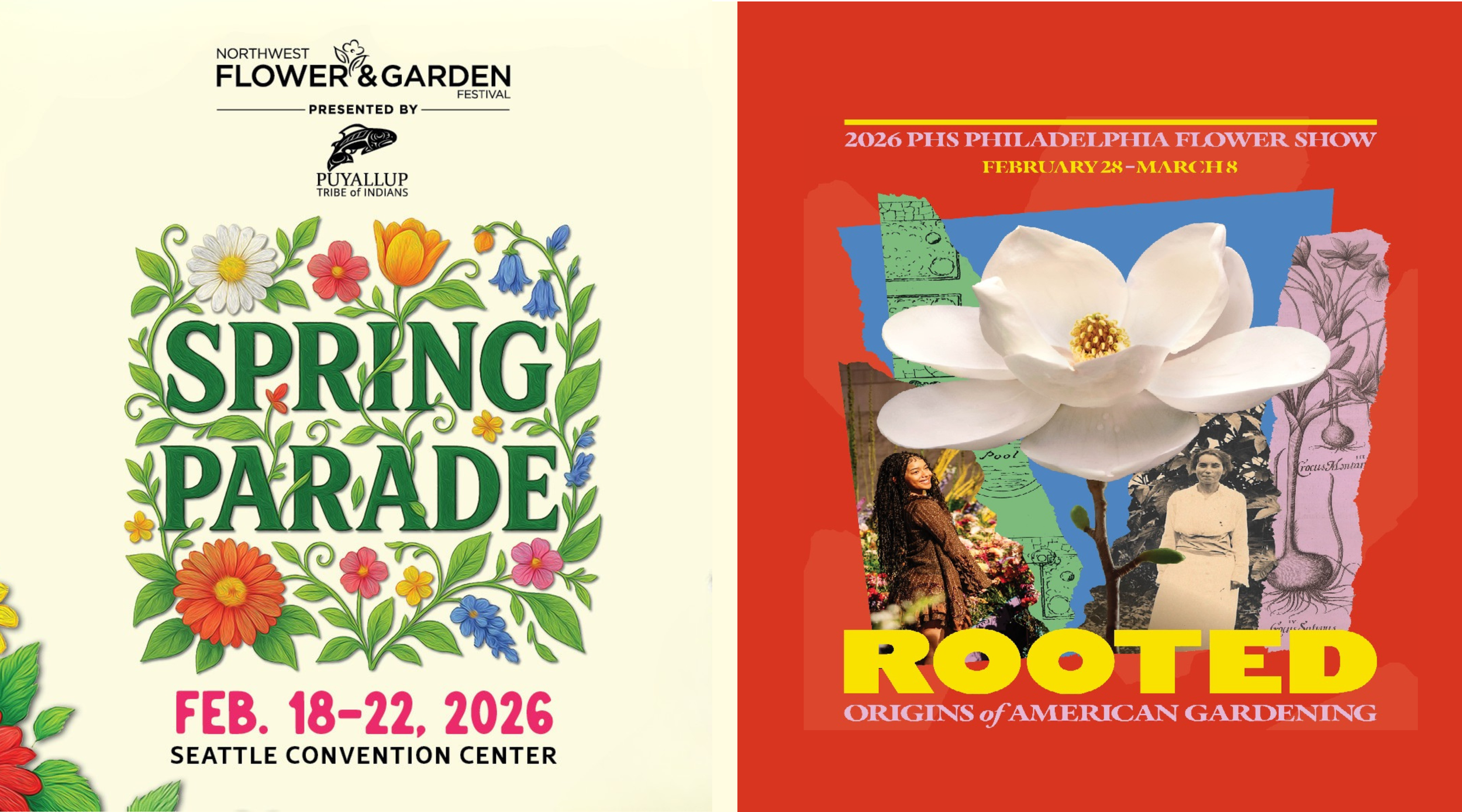
We’re thrilled to be participating in two premier garden festivals this winter!